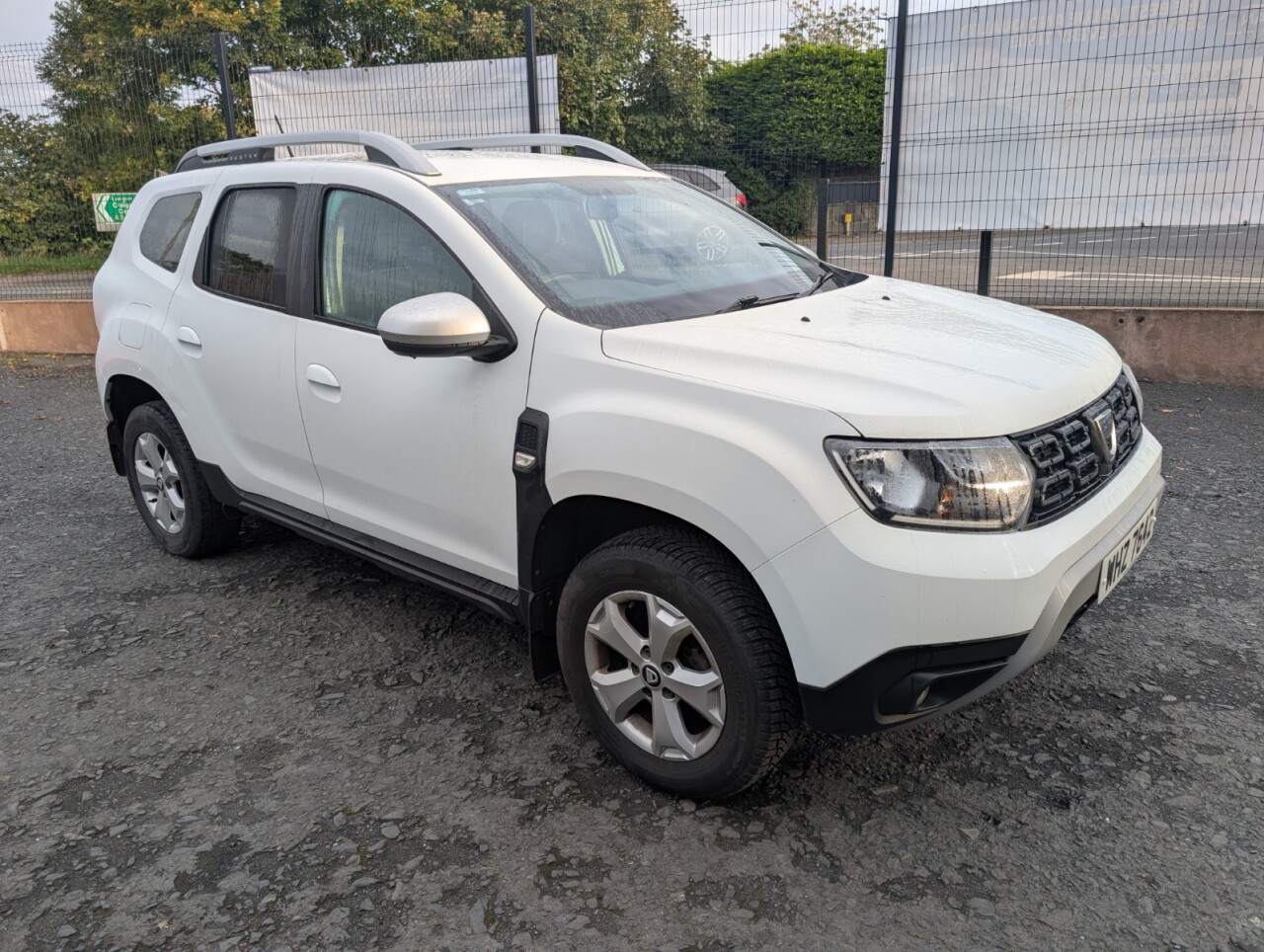
DVA Taxi Roadside Checks in Northern Ireland: What Inspectors Can Examine
A Northern Ireland taxi can be stopped for compliance checks while it is carrying passengers. The Driver & Vehicle Agency says enforcement officers can.
A Northern Ireland taxi can be stopped for compliance checks while it is carrying passengers. The Driver & Vehicle Agency says enforcement officers can inspect taxis at any time and may check the driver, vehicle and equipment. This makes taxi roadside enforcement broader than checking whether the registration number is taxed or whether the vehicle has recently passed an ordinary test.
A live journey is not exempt from inspection
DVA's taxi enforcement guidance explicitly states that officers can stop and inspect vehicles even when passengers are on board. Travellers may therefore experience a short delay while checks take place. The purpose is to verify that a vehicle used commercially to carry passengers has the necessary safety, insurance and licensing arrangements. An inspector's presence does not itself imply that the operator has been caught offending; it is a compliance process.
The documents inspectors may want
DVA lists the taxi vehicle licence, insurance certificate and taxi driving licence among standard checks. The driver needs the appropriate entitlement for the work being performed, and the insurance must cover the relevant commercial use. A private motor policy is not something operators should casually assume includes fare-paying taxi journeys. Keeping the current paperwork accessible helps staff respond accurately and avoids a preventable delay while details are traced.
The physical equipment matters too
Inspectors may examine taxi plates, taximeter fitment and use, roadworthiness and specialist items such as a roof sign or fire extinguisher. A vehicle can be mechanically sound yet have a separate taxi-licensing defect. Likewise, the presence of visible taxi signage does not prove that the underlying licence or insurance is valid. The right question is whether the entire vehicle, driver and operator arrangement complies with the rules applicable to that service.
Passenger safety versus business inconvenience
Where a defect is found, DVA may take enforcement action appropriate to its severity and the relevant legal power. A serious mechanical issue should not be dismissed because a passenger is waiting for an airport transfer. Businesses should have a practical contingency for moving a passenger safely if a taxi cannot continue its journey. It is better to plan that response in advance than ask a driver to continue using a prohibited vehicle to meet a booking commitment.
Spot checks at depots and operating centres
DVA also conducts depot checks and inspects operating centres. Compliance therefore extends beyond the individual taxi at the roadside. Vehicle files, driver records and licensing systems may matter, and operators need to be able to establish which drivers and vehicles were used for particular bookings. Records kept accurately before an inspection are more useful than paperwork assembled hurriedly after an allegation.
Example: a taxi carrying a family in Belfast
An enforcement officer may stop a working taxi, check the driver's licensing and the vehicle's plates, inspect equipment and verify that the car is mechanically suitable. If the checks are satisfactory, the journey can continue. If a serious issue is found, the legal conditions of any notice govern use. Passengers should not be asked to negotiate with the inspector; the business and driver are responsible for meeting the applicable regulatory requirements.
What drivers and owners should do regularly
Maintain a documented schedule for tyre, brake, lighting and safety-equipment checks. Confirm that driver and vehicle licensing records match the cars and staff actually in service. Check taxi plates and required equipment before shifts, and have clear instructions for dealing with a breakdown or prohibition. A taxi earning fares daily can develop defects between routine tests, so a periodic test certificate cannot replace continuing maintenance.
Why taxi compliance is a specialist policing issue
The DVA's taxi work combines consumer safety, mechanical roadworthiness and sector-specific licensing. It should not be confused with ordinary parking enforcement or a speed detection. The fact that passengers are present adds practical responsibilities but does not remove the regulator's authority to inspect. A properly run business should expect occasional checks and make the resulting disruption small through good records and preparation.