Modified car insurance in NI: which changes should go on the insurer’s record?
Alloy wheels, remaps, suspension and cosmetic changes can matter to an insurer even when the owner thinks they are minor.
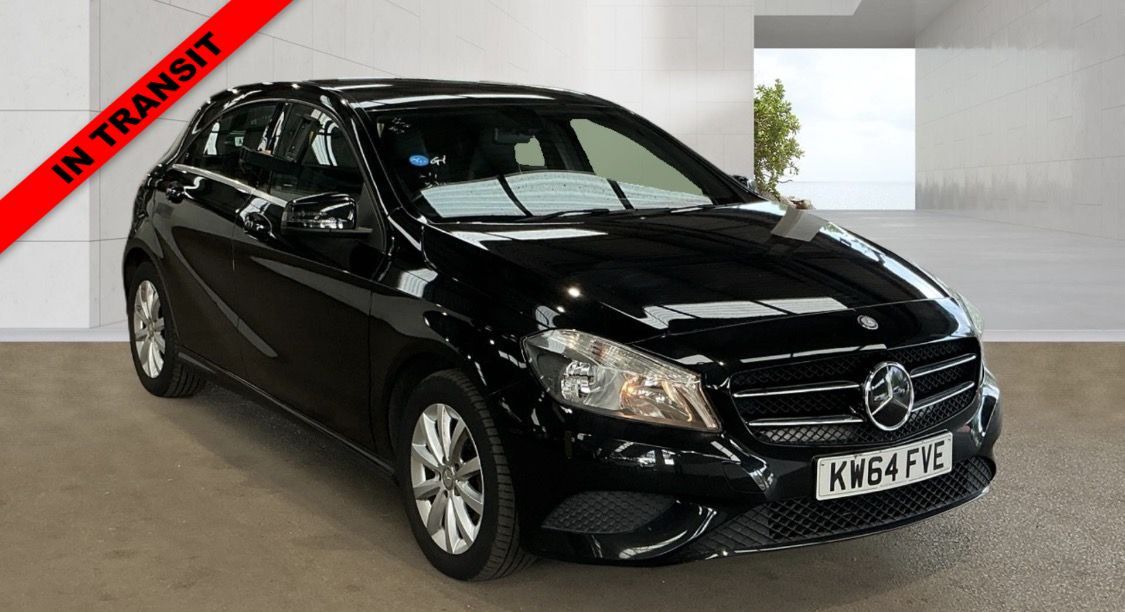
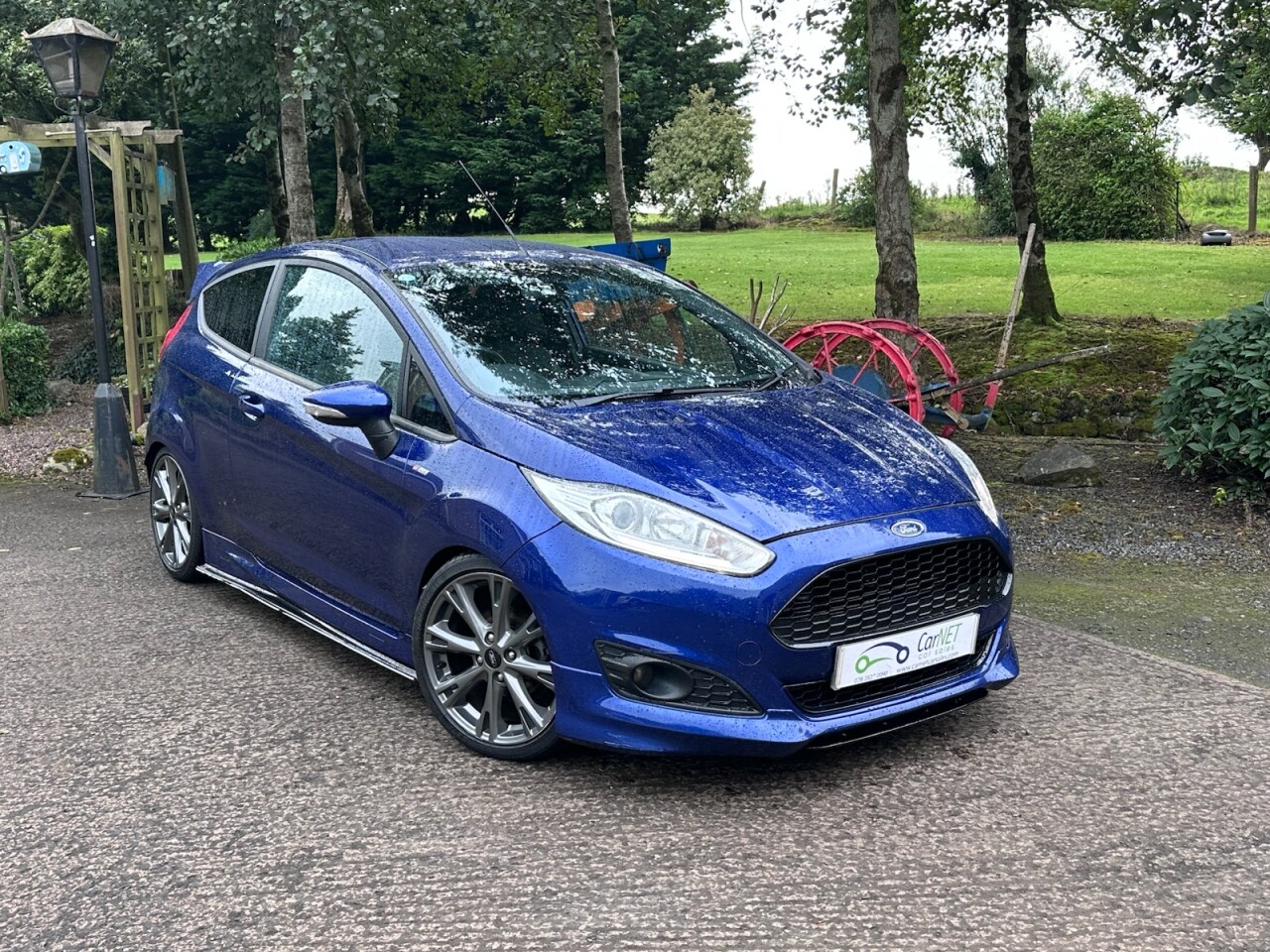
A second-hand hatchback comes with aftermarket wheels and a remapped engine. The buyer thinks modifications only matter if they make the car visibly faster, but underwriters may consider performance, theft appeal, safety and repair costs. An accurate insurance application needs to reflect what the provider asked about and any duty to disclose changes during the policy.
Why this matters before buying or claiming
There is no reliable universal list of modifications that every insurer ignores. An insurer may treat parking sensors differently from a lowered suspension or power increase, but those decisions depend on its wording and appetite. Genuine factory options and non-standard accessories can also be treated differently, so ambiguous cases require direct clarification.
Visual comparison: the decision pathIllustrative decision flow, not ranked costs, probabilities or insurer prices.
Factory specification
Check the insurer’s definition of standard equipment.
Equivalent repair part
Ask whether it is treated as a repair or modification.
Cosmetic alteration
Describe bodywork or equipment changes accurately.
Performance remap
Disclose potential change to engine output and underwriting risk.
| Item | Value | What it establishes |
|---|---|---|
| Factory specification | 1 | Check the insurer’s definition of standard equipment. |
| Equivalent repair part | 2 | Ask whether it is treated as a repair or modification. |
| Cosmetic alteration | 3 | Describe bodywork or equipment changes accurately. |
| Performance remap | 4 | Disclose potential change to engine output and underwriting risk. |
The Northern Ireland angle
NI drivers buying previously modified cars should ask the seller for invoices and inspect the actual vehicle specification. A Belfast buyer might inherit work installed years earlier without paperwork. That does not make the change irrelevant to a future insurer; it makes it more important to ask how the application handles unknown work.
What can go wrong in a real claim or quotation?
A modification can affect two stages: the price and availability of cover when declared, and a later claim. The insurer’s assessment may depend on whether the change was relevant to the loss and the nature of the representation made. Overconfident assertions that an undeclared modification always voids every claim are not sound.
The diagram compares four examples for discussion—factory specification, replacement parts of equivalent type, added body styling and performance remap. It is a disclosure decision chart, not a ranking of how much each change adds to premiums. No NI-wide surcharge data has been claimed.
Reader question
Does every modification raise the premium? No. Acceptance and pricing depend on the insurer and change.
Common trap
Are old modifications irrelevant? No. Buying a used car does not automatically erase its altered specification.
The practical decision
List changes with dates and receipts, obtain photographs where practical and ask the insurer to confirm acceptance in writing. Read whether the policy distinguishes modifications from manufacturer options. When buying a used car, ask specifically about remaps or previous alterations that are not visible in ordinary photographs.
The cheap quote that depends on a false factory-standard description is not meaningfully comparable to a properly disclosed quote. Accurate cover matters more than a theoretical annual saving.
How to read the comparison
The visual is meant to make this particular insurance decision easier to assess, not manufacture statistics. It is a decision or coverage map, not a national insurer ranking, claims-frequency study or premium-price chart. Check the insurer’s definition of standard equipment. Ask whether it is treated as a repair or modification.
Evidence and further reading
This article separates the published rule or ombudsman approach from an illustrative customer scenario. The primary references below explain the relevant protections, evidence or market figures; individual policy schedules still control cover, subject to law and fair treatment.
Published for Northern Ireland drivers. Check any provider-specific terms and current documents before relying on a policy; examples are not personalised legal or financial advice.