NI car dealers importing multiple EU vehicles: where the NOVA spreadsheet fits
Why this matters in Northern Ireland
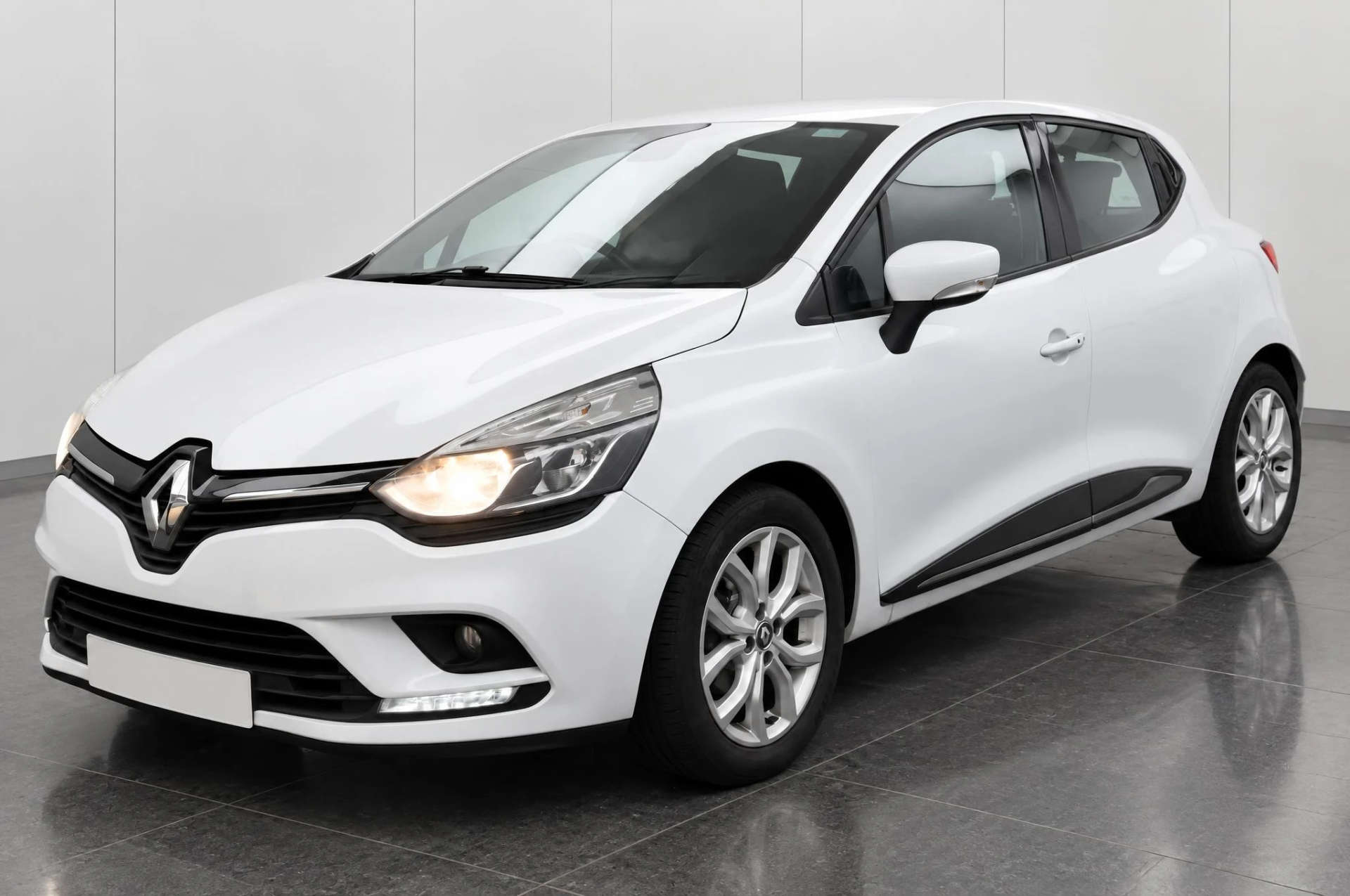
Honda, Volkswagen and other cars sourced through Republic of Ireland stock channels may reach Northern Ireland forecourts in batches. HMRC explains that VAT-registered businesses importing multiple vehicles into NI from the EU can use a spreadsheet-supported NOVA process.
The official distinction
The notification still concerns individual vehicles, and HMRC processing must be completed for the necessary UK registration stage. Handling many VINs in a single operational workflow does not eliminate the need for accurate underlying records.
A realistic buyer or driver scenario
A small dealership buys several part-exchange vehicles from an Irish trade supplier. An incorrect identifier or missing invoice may delay the registration of one car even while the rest of the batch moves through preparation.
The evidence to check
Maintain one reconciled record per vehicle including VIN, first-use date, mileage, seller, invoice, entry date and NOVA status. Keep registration-ready inventory separate from vehicles being prepared, transported or cleared.
What cannot safely be assumed
The availability of a spreadsheet facility does not mean customs and VAT treatment is identical for every vehicle in the batch. Vehicle age and transaction-specific status still need assessment.
Why the issue deserves coverage
Better stock-management data can improve accuracy for NI dealers, reduce late handovers and prevent an advertised car being confused with a car already legally available to drive away.
How to report this correctly
The important distinction is between moving a physical vehicle and acquiring the right to register and use it on UK roads. Customs paperwork, vehicle approval, DVLA registration and the sale contract answer different questions. A buyer should insist that the seller states clearly which stages have been completed; saying the vehicle is “ready” is too imprecise. A vehicle might be safely transported on a trailer while it cannot yet be lawfully driven home under its eventual UK registration. That difference should be settled before arranging the collection date.
What should be written down
The strongest evidence is a contemporaneous file built around the vehicle identification number rather than loose promises by telephone. Keep an itemised invoice, the relevant registration and export records, dated communication with HMRC and DVLA, and the name of the party responsible for each outstanding step. Changes of mind after a deposit is paid are much harder to resolve when the agreement fails to specify whether the quoted price includes preparation, taxes and first UK registration. This is especially important when money crosses the border between businesses or private individuals.
The next official check
Use HMRC guidance for the vehicle arrival declaration and DVLA guidance for registration; neither organisation is replaced by an online seller or shipping agent. Where the sale is commercial, ask for a breakdown of who carries the risk if clearance or registration takes longer than expected. Any published guide needs to distinguish a government requirement from a suggested buyer precaution, because the two should never be presented as equally compulsory.
Managing multiple import records
HMRC’s administrative procedures for businesses depend on VAT status and the type of vehicle movements. Dealers should keep a transaction-level record matching VINs, arrival dates, seller invoices and notification status before listing cars as ready for UK registration.
A Northern Ireland example
A dealer importing several Irish vehicles in one week can lose track of one outstanding case unless each chassis is recorded and independently reconciled. The important point is to pin down the relevant documentary evidence before relying on an advert, a quotation or an informal assurance. A dispute is easier to investigate where the chronology is clear and the evidence identifies this particular vehicle rather than merely the make and model.
Questions to resolve before proceeding
The immediate check on managing multiple import records is a documentary one: HMRC’s administrative procedures for businesses depend on VAT status and the type of vehicle movements. Dealers should keep a transaction-level record matching VINs, arrival dates, seller invoices and notification status before listing cars as ready for UK registration. A dealer importing several Irish vehicles in one week can lose track of one outstanding case unless each chassis is recorded and independently reconciled. In practical terms, write down what you have verified, what remains unresolved, the date of each response and which organisation supplied it. A vehicle may still need separate insurance, tax, identification or testing checks, depending on its circumstances. None of these steps should be treated as interchangeable.