Write-off settlement too low? How NI drivers can challenge an insurer’s car valuation
The advertised price of a similar car can be valuable evidence, but condition, trim and mileage must match.
A write-off dispute often begins with two different pictures of the same vehicle: the customer sees the price needed to replace it in an NI dealership, while the insurer sees an industry valuation. The relevant starting point is usually the car’s market value immediately before the loss, not the price paid two years ago or the insured value typed into the application.
Why this matters before buying or claiming
The Financial Ombudsman says it commonly considers specialist valuation guides and may also examine adverts, especially where guide values differ. Its approach has evolved because cars can sell at or near advertised prices. Adverts are therefore useful evidence, but not proof that the highest listed price must be paid.
Visual comparison: the numbers explainedFigures illustrate the scenario unless a row explicitly identifies a dated official statistic; they are not NI market prices.
| Item | Value | What it establishes |
|---|---|---|
| Illustrative offer | 9,000 | Fictional insurer valuation, not a real PureCar dealer quote. |
| Comparable A | 9,700 | Hypothetical matching advert; condition and mileage must be checked. |
| Comparable B | 10,200 | Second fictional advert for evidence format. |
| Comparable C | 10,600 | Third fictional advert; highest price alone does not set entitlement. |
The Northern Ireland angle
For a driver in Coleraine, an equivalent listing in Dungannon could be more comparable than a cheaper vehicle across the water if trim, engine, condition and mileage line up. Location alone cannot prove a national valuation is wrong; the evidence needs to explain differences in actual specification and obtainable replacement stock.
What can go wrong in a real claim or quotation?
A valuation disagreement becomes weaker if the examples mix different years, transmissions or damage histories. The Ombudsman also notes that previous write-offs, pre-existing damage and unusual vehicles may need separate treatment. The question is what this specific car would reasonably have fetched just before the event.
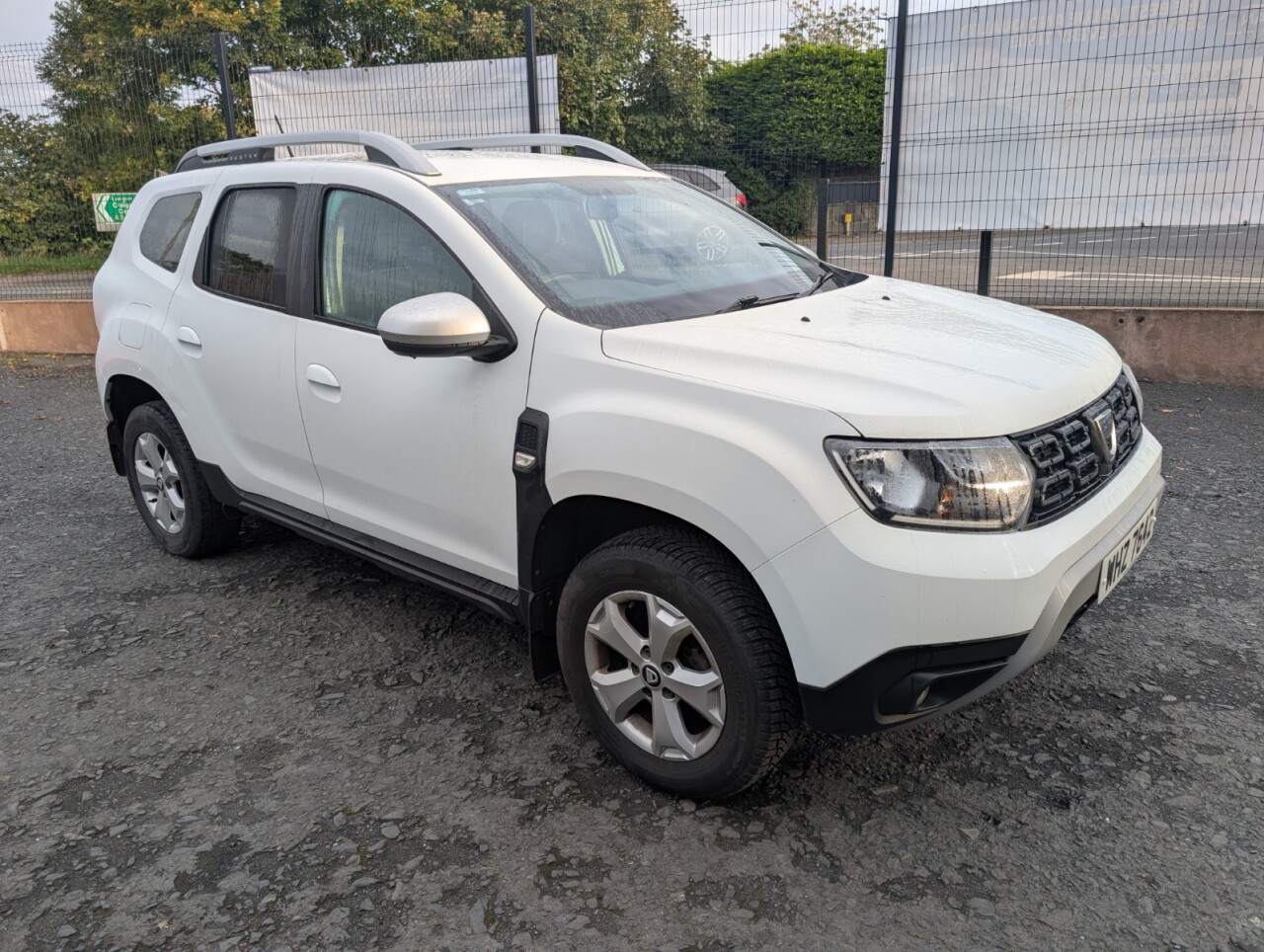
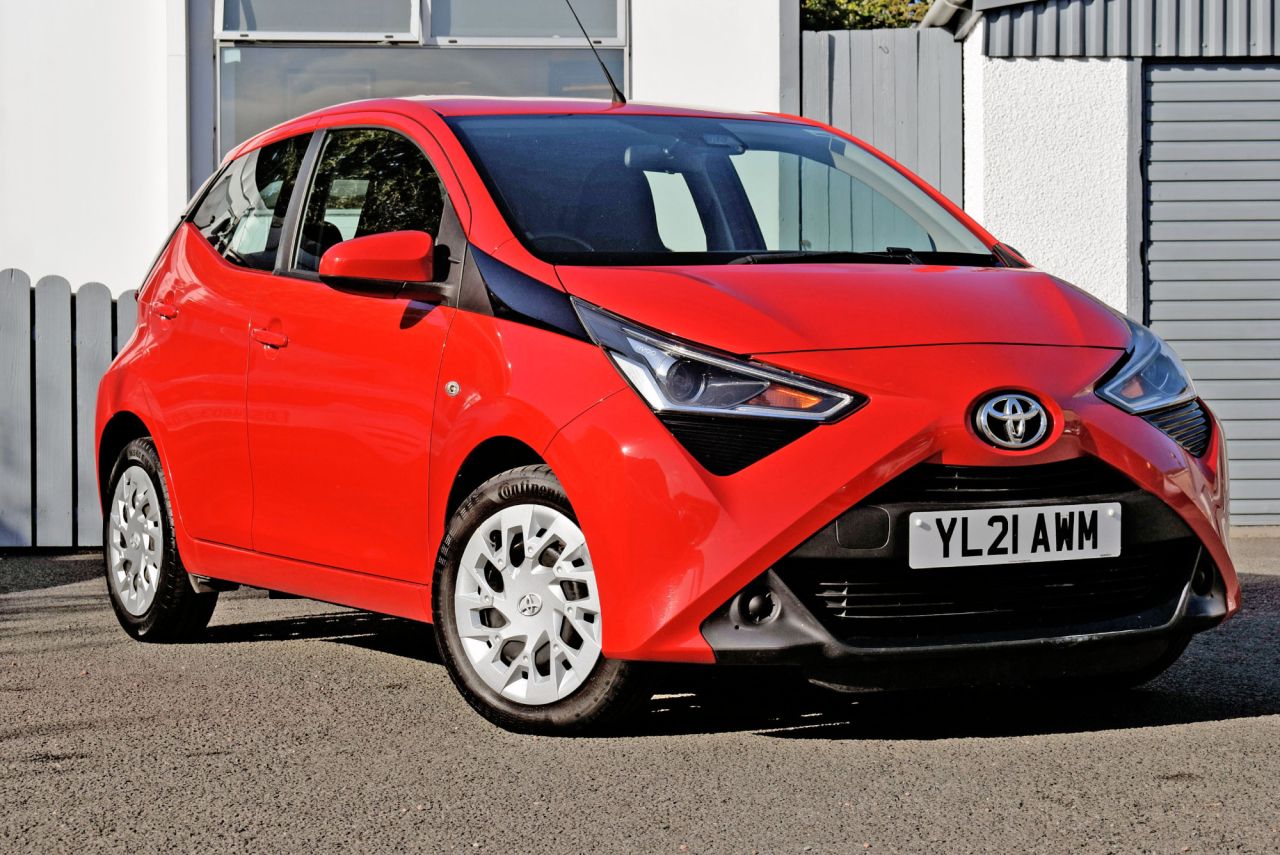
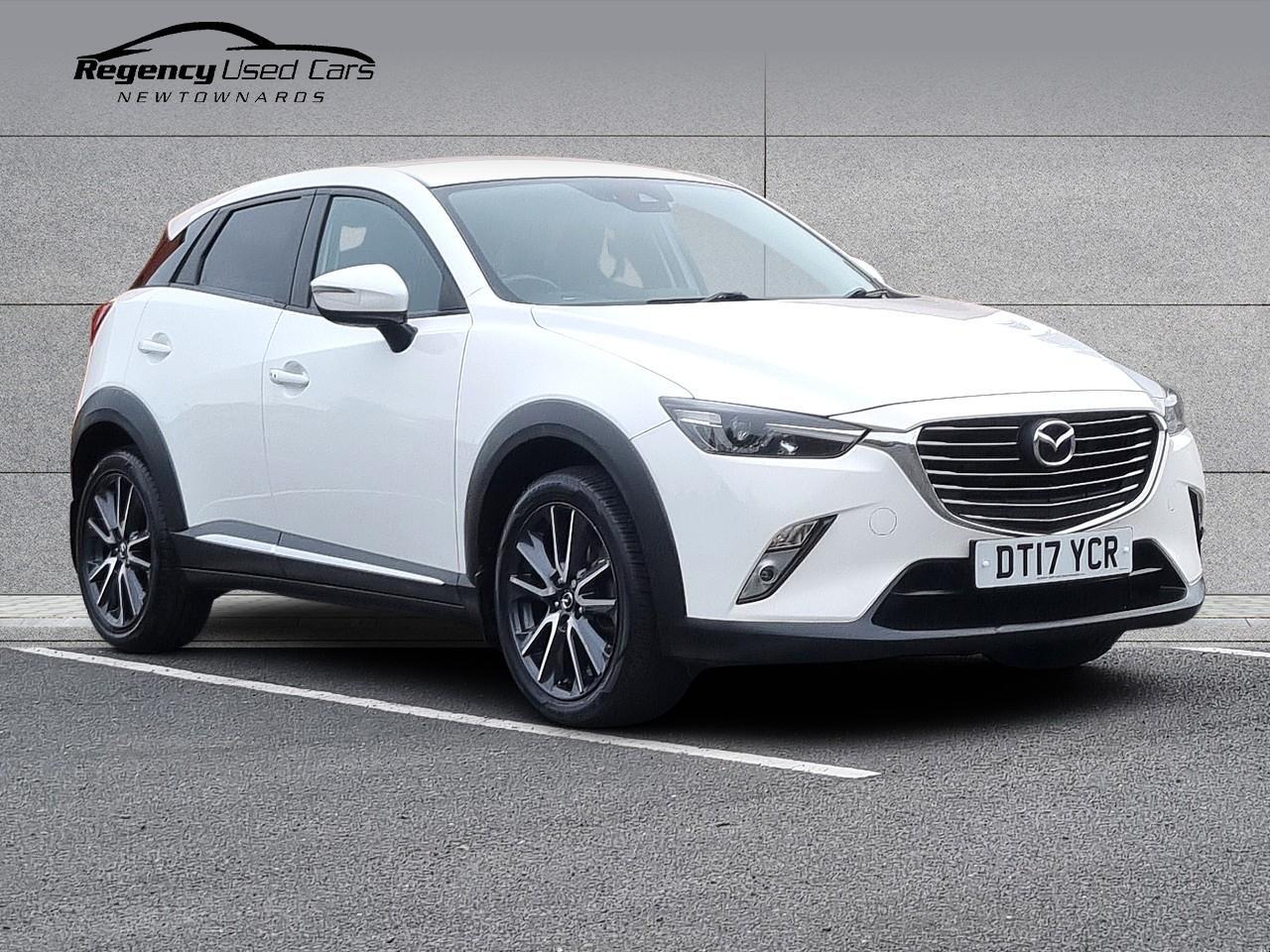
Imagine three genuinely comparable advertised cars at £9,700, £10,200 and £10,600, while the insurer offers £9,000. These are illustrative adverts rather than real listings. They show how a claimant might organise comparators; they do not establish the correct settlement or guarantee an increase.
Reader question
Should you accept the first settlement immediately? Not if you have specific evidence it understates pre-loss market value.
Common trap
Will a screen capture guarantee more money? No. Comparable evidence must be persuasive and matched to the damaged car.
The practical decision
Make a small evidence pack with screenshots showing date, registration year, trim, transmission, mileage, dealer, asking price and link. Request the insurer’s valuation basis and respond to any proposed deductions. If an agreement cannot be reached, raise a formal complaint and then consider the Financial Ombudsman.
Do not publish a misleading claim that every insurer must pay retail forecourt asking price. The Ombudsman seeks a fair pre-loss market value on the total evidence, which may be above or below individual advertisements.
How to read the comparison
The visual is meant to make this particular insurance decision easier to assess, not manufacture statistics. Its figures are worked scenarios and should be replaced with the amounts, conditions and start dates from the customer’s actual documents. Fictional insurer valuation, not a real PureCar dealer quote. Hypothetical matching advert; condition and mileage must be checked.
Evidence and further reading
This article separates the published rule or ombudsman approach from an illustrative customer scenario. The primary references below explain the relevant protections, evidence or market figures; individual policy schedules still control cover, subject to law and fair treatment.
Published for Northern Ireland drivers. Check any provider-specific terms and current documents before relying on a policy; examples are not personalised legal or financial advice.