Showing 21 of 46 matching questions.
What should your indicator tell other road users?Visual Road Scenarios
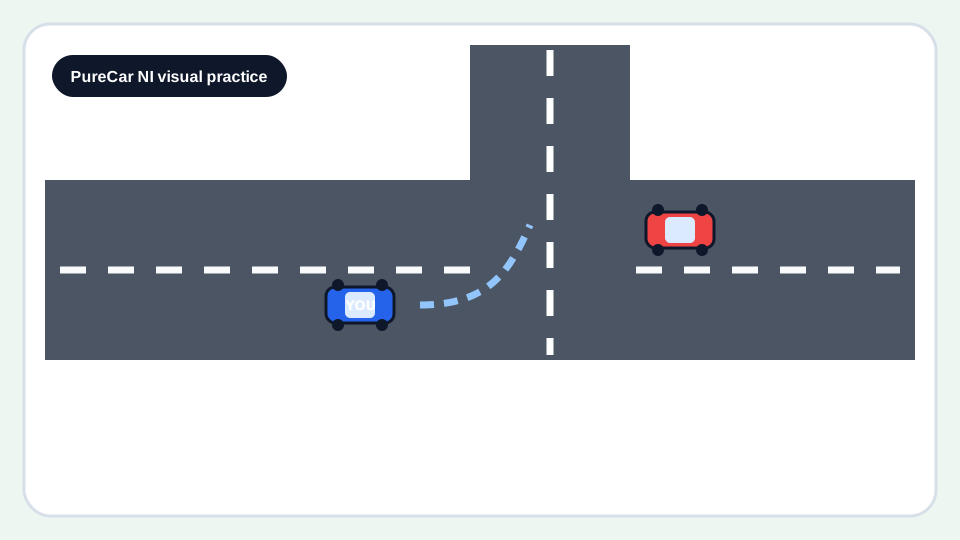
A. Your intention, not that you have priority Correct
B. That all other traffic must stop
C. That you can turn without checking
D. That pedestrians must leave the crossing
Signals communicate intention but do not give priority.
Parked vehicles obstruct your side of the road and an oncoming car is approaching. What should you normally do?Visual Road Scenarios
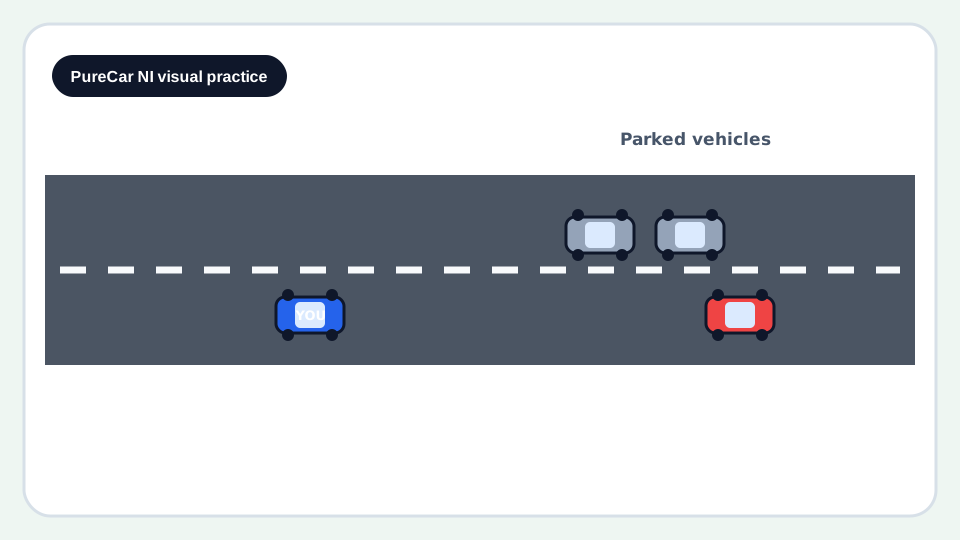
A. Be prepared to wait and let the oncoming vehicle pass Correct
B. Accelerate through because you are already moving
C. Drive onto the pavement
D. Flash your headlights to claim priority
If the obstruction is on your side, you should normally give way when necessary to pass safely.
What matters most when meeting traffic on a narrow road?Visual Road Scenarios
A. Planning, safe clearance and cooperation Correct
B. Which driver is travelling fastest
C. Who flashes headlights first
D. Which vehicle is newer
Safe meeting situations depend on anticipation, space and cooperation rather than forcing priority.
An emergency vehicle with blue lights is approaching from behind. What should you do?Visual Road Scenarios
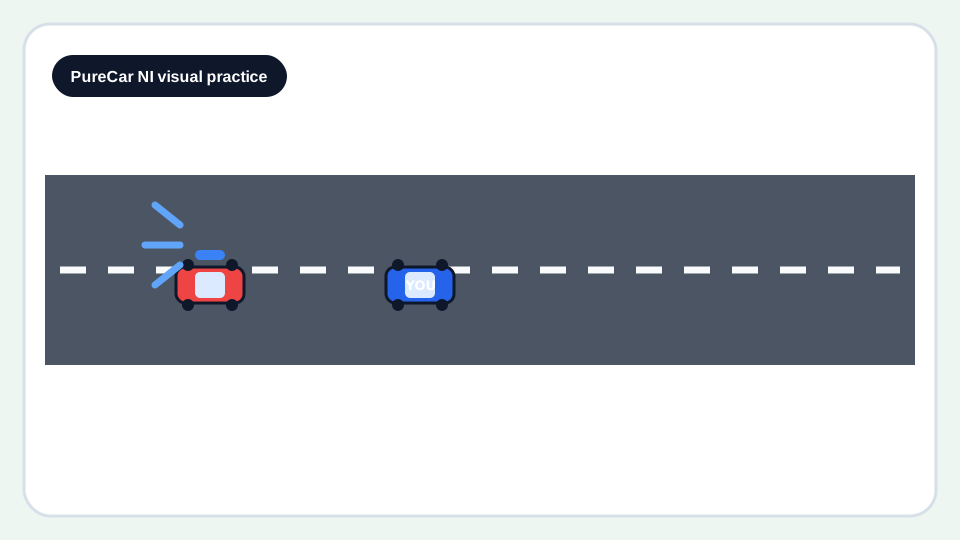
A. Stay calm and make space when it is safe and legal to do so Correct
B. Ignore it because you have priority
C. Drive through a red light to get out of the way
D. Stop immediately wherever you are
Help emergency vehicles make progress, but do not put yourself or others at risk or break traffic rules.
What should you avoid?Visual Road Scenarios
A. Sudden or illegal manoeuvres Correct
B. Checking mirrors
C. Using a signal if you pull over
D. Looking for a safe place to let it pass
React predictably and safely; do not create another hazard while trying to help.
A cyclist is ahead near a blind bend. What should you do?Visual Road Scenarios
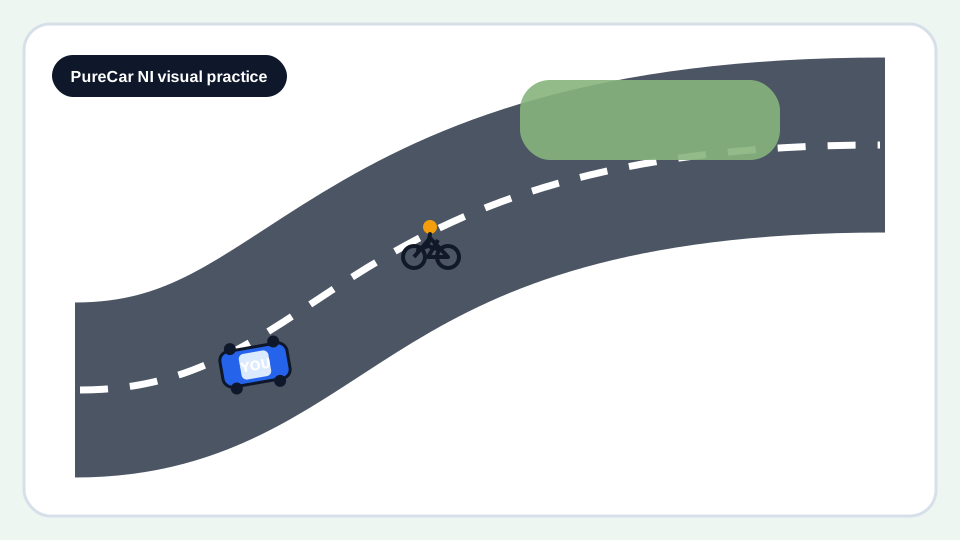
A. Stay behind until you have a clear view and enough room to overtake safely Correct
B. Overtake quickly before reaching the bend
C. Move onto the opposite side and sound the horn
D. Follow very closely to encourage the cyclist to move over
Do not overtake where you cannot see far enough ahead to complete the manoeuvre safely.
Why is the bend important?Visual Road Scenarios
A. It can hide approaching traffic Correct
B. It gives cyclists automatic priority over all traffic
C. It means the speed limit no longer applies
D. It makes your stopping distance shorter
Restricted visibility means you cannot judge whether the opposite lane is clear.
The temperature is near freezing and you are approaching a bridge. What should you do?Visual Road Scenarios
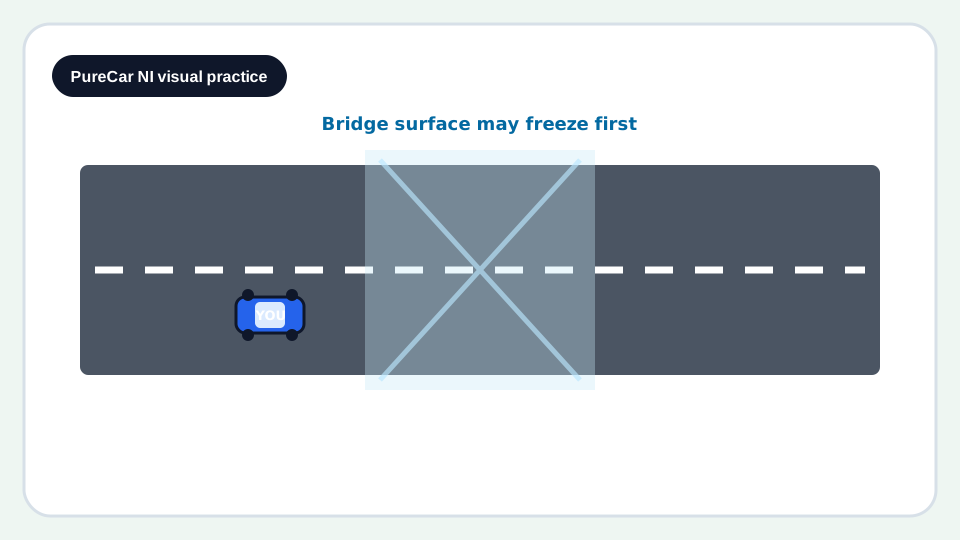
A. Reduce speed smoothly and avoid harsh steering or braking Correct
B. Brake hard while on the bridge
C. Accelerate to reduce the time on the icy surface
D. Drive closer to the vehicle ahead for guidance
Bridges can freeze before surrounding roads. Reduce speed in good time and use smooth controls.
Why are sudden inputs dangerous on ice?Visual Road Scenarios
A. Tyres can lose grip very easily Correct
B. They warm the tyres too quickly
C. They make the speedometer inaccurate
D. They cancel ABS permanently
Ice greatly reduces grip, so harsh braking, steering or acceleration can cause a skid.
The traffic light changes to amber as you approach. What should you normally do?Visual Road Scenarios
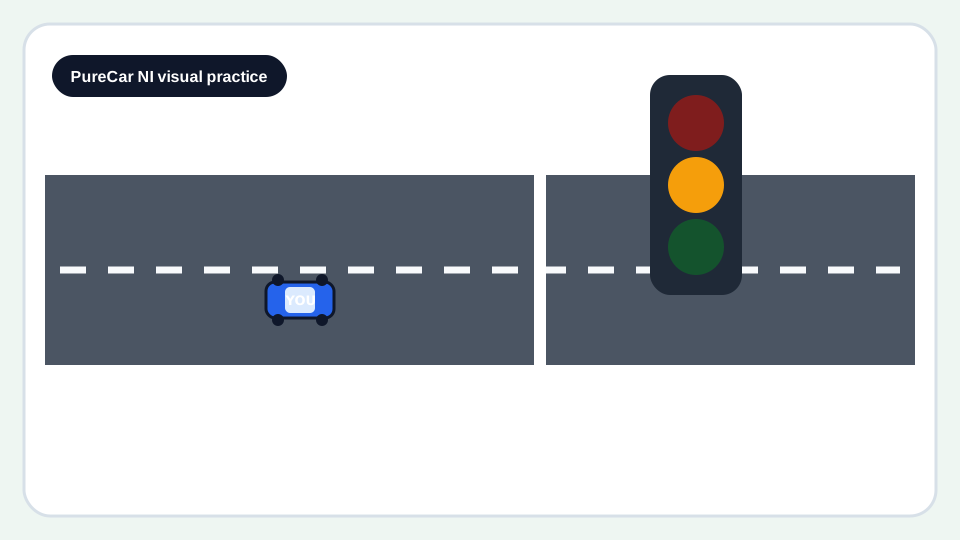
A. Stop at the line unless you are so close that stopping could cause an accident Correct
B. Accelerate through regardless of distance
C. Reverse away from the junction
D. Treat amber as the same as green
Amber means stop unless you have already crossed the line or are too close to stop safely.
What should influence your decision if you are very close to the line?Visual Road Scenarios
A. Whether you can stop safely without causing danger Correct
B. Whether a vehicle behind flashes you
C. Whether you are late
D. Whether the road looks empty
Avoid harsh or unsafe braking if you are already too close to stop safely.
A vehicle is approaching the mini-roundabout from your right. What should you normally do?Visual Road Scenarios
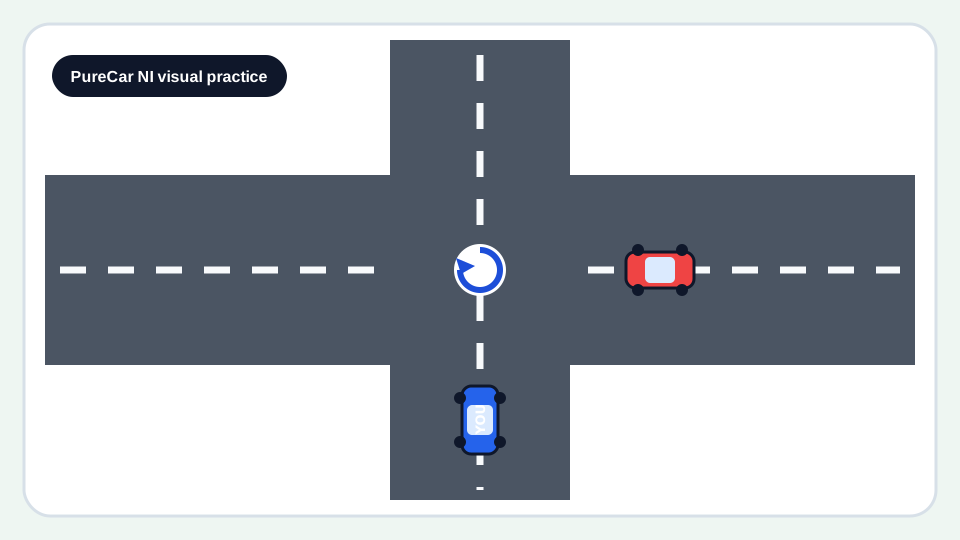
A. Give way and wait for a safe gap Correct
B. Drive straight over the centre marking first
C. Accelerate because mini-roundabouts have no priority rules
D. Stop in the middle of the roundabout
Treat a mini-roundabout like a normal roundabout and give way to traffic from the right unless signs say otherwise.
How should you pass the central marking?Visual Road Scenarios
A. Go around it where practicable rather than driving over it Correct
B. Always drive directly over it
C. Stop with your wheels on it
D. Use it as a parking area
You should normally pass around the central marking, not straight over it, unless vehicle size makes this impracticable.
The red warning lights are flashing at the level crossing. What must you do?Visual Road Scenarios
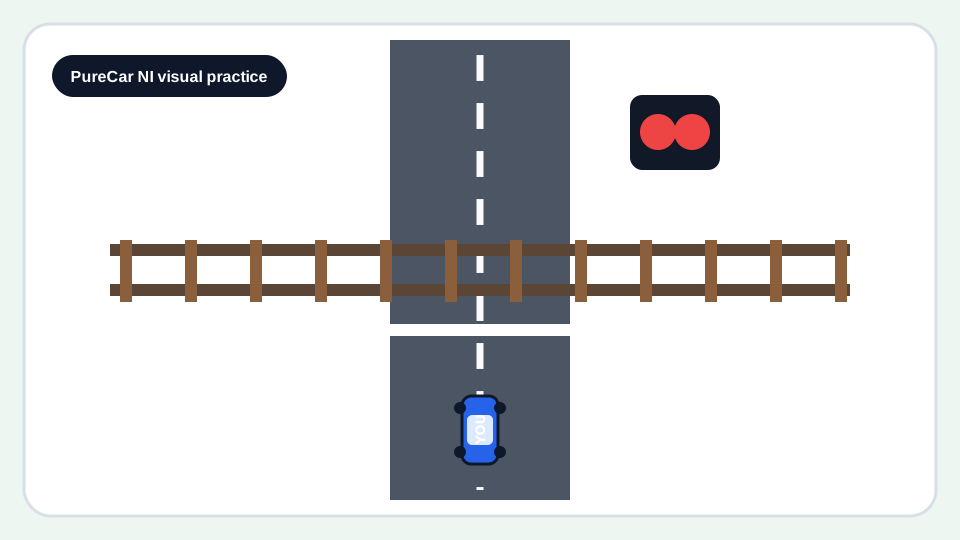
A. Stop and wait until the signals allow you to proceed Correct
B. Continue if you cannot see a train
C. Drive around any barrier if it is lowering
D. Sound the horn and cross quickly
Flashing red lights at a level crossing mean stop. Never try to beat the signals or barriers.
When may you cross?Visual Road Scenarios
A. Only when the warning signals have stopped and it is safe Correct
B. As soon as the train has passed even if lights still flash
C. When another driver starts moving
D. When you have waited for one minute
Wait until the crossing signals indicate it is safe and any barriers have opened.
A parked-car door is beginning to open near a cyclist. What should you do?Visual Road Scenarios
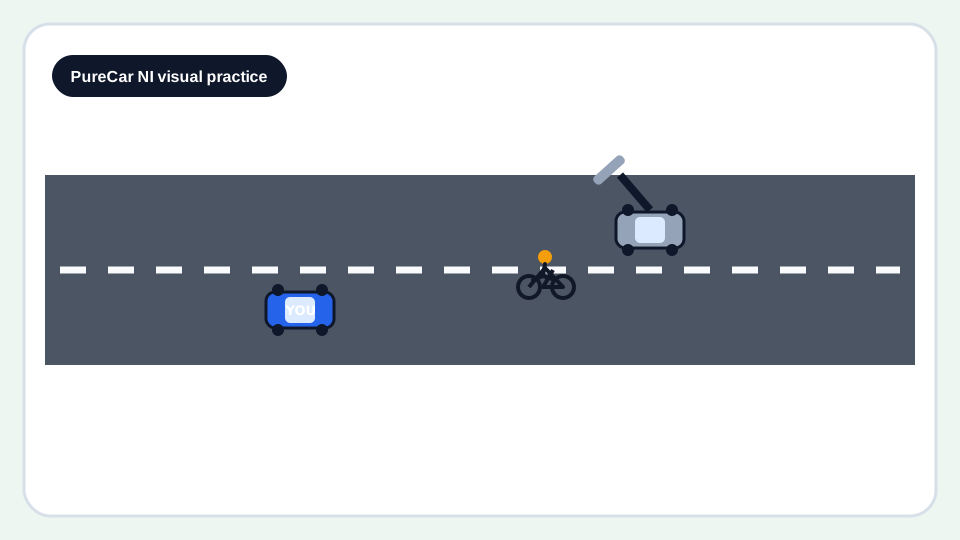
A. Slow down and give the cyclist extra space Correct
B. Accelerate past before the cyclist reacts
C. Move closer to the cyclist to stop them swerving
D. Sound your horn continuously
Opening doors can force cyclists to change direction suddenly. Reduce speed and create space.
What should you anticipate from the cyclist?Visual Road Scenarios
A. They may move out into the road to avoid the door Correct
B. They must stop immediately
C. They will always mount the pavement
D. They will signal before every evasive movement
A cyclist may need to take immediate avoiding action, so plan for extra space.
A pedestrian is emerging between parked cars. What should you do?Visual Road Scenarios
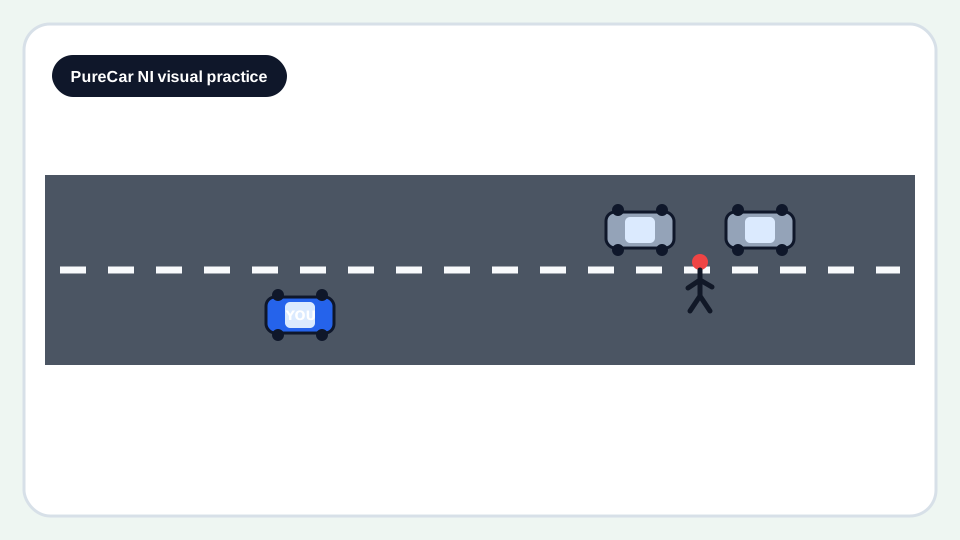
A. Slow down immediately and be ready to stop Correct
B. Accelerate before they reach your lane
C. Move towards the centre line without checking
D. Flash headlights and continue at the same speed
Pedestrians emerging from between parked vehicles may be difficult to see and can step into your path.
Why is this situation especially risky?Visual Road Scenarios
A. Your view of the pedestrian is restricted by parked vehicles Correct
B. Pedestrians between cars always have less priority
C. Parked cars make braking distances shorter
D. The pedestrian can hear your engine clearly
Obstructions reduce the time available to see and respond to vulnerable road users.
A large vehicle ahead is signalling left and a cyclist is alongside it. What should you do?Visual Road Scenarios
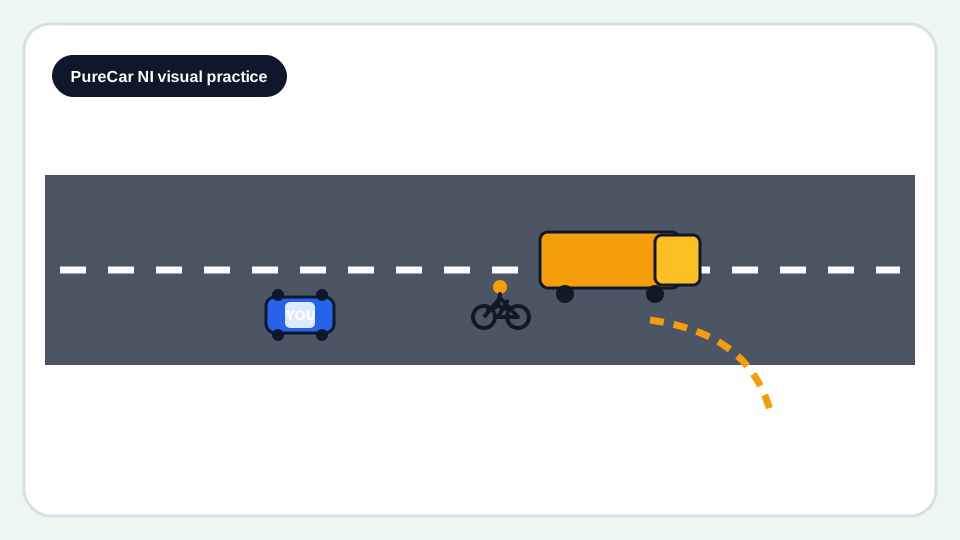
A. Hold back and give the situation time to develop safely Correct
B. Overtake both before the turn
C. Move into the cyclist’s space
D. Sound your horn to make the lorry turn faster
Large vehicles may need extra room to turn and can have significant blind spots. Do not squeeze alongside.
Why should you avoid getting too close to the large vehicle?Visual Road Scenarios
A. The driver may not be able to see you in blind spots Correct
B. Large vehicles always have right of way
C. Their indicators cancel other road rules
D. They cannot stop at junctions
Large vehicles have substantial blind areas and may swing out before turning.