Showing 25 of 46 matching questions.
You are emerging from the side road. What should you do?Visual Road Scenarios
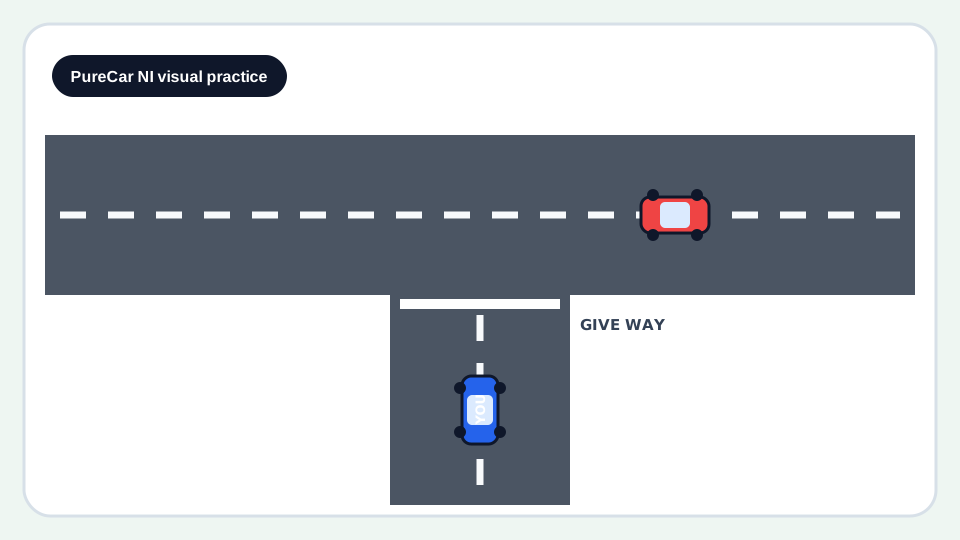
A. Give way to traffic on the main road Correct
B. Accelerate before the red car arrives
C. Move halfway out to force a gap
D. Sound your horn and continue
At a give-way junction you must not enter the main road until it is safe.
What should you check before moving onto the main road?Visual Road Scenarios
A. Both directions for approaching traffic and vulnerable road users Correct
B. Only the direction you intend to travel
C. Only your interior mirror
D. Whether the vehicle behind is indicating
Effective all-round observation is essential before joining a main road.
A red vehicle is already circulating from your right. What should you do?Visual Road Scenarios
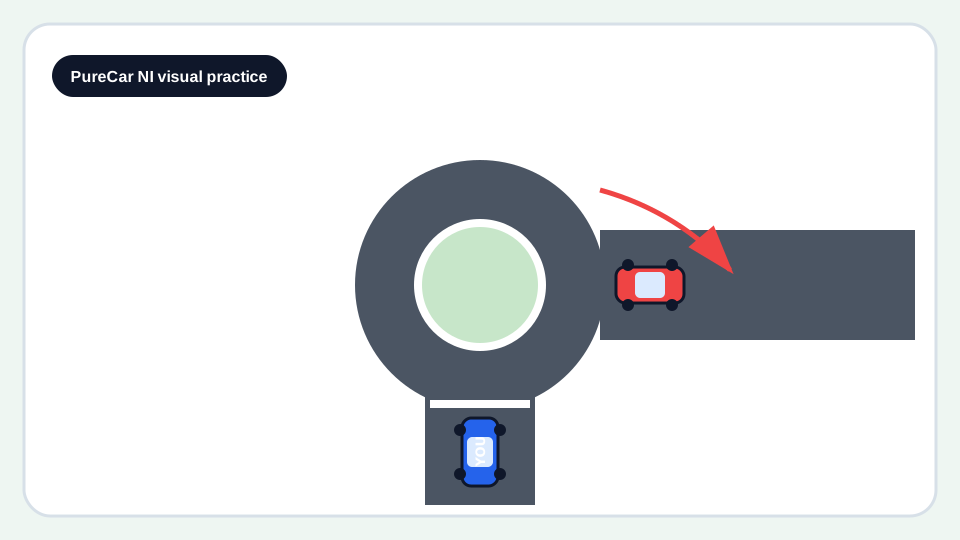
A. Wait until there is a safe gap before joining Correct
B. Join because you reached the roundabout first
C. Stop on the roundabout to let it pass
D. Signal left and enter immediately
At a normal roundabout you should give priority to traffic approaching from your right unless signs or markings say otherwise.
What is most important before entering this roundabout?Visual Road Scenarios
A. Observation, lane position and a safe gap Correct
B. Keeping your eyes only on the car behind
C. Entering quickly to avoid hesitation
D. Driving over the central marking
Safe roundabout entry depends on observation, correct position and a suitable gap.
A pedestrian is on the zebra crossing. What should you do?Visual Road Scenarios
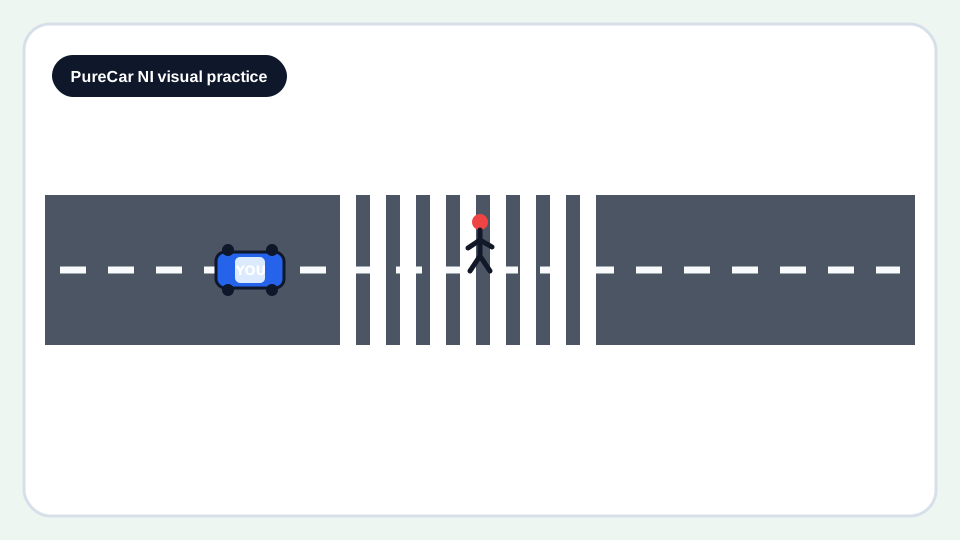
A. Stop and allow the pedestrian to cross safely Correct
B. Drive around the pedestrian if there is room
C. Sound your horn so they move faster
D. Continue because vehicles have priority
You must give way to pedestrians who are on a zebra crossing.
When should you move off again?Visual Road Scenarios
A. When the crossing is clear and it is safe Correct
B. As soon as the pedestrian passes the front of your car
C. When another driver behind flashes you
D. Immediately after sounding your horn
Wait until the crossing is clear and you can move off safely without pressuring pedestrians.
You are approaching a cyclist who is passing parked cars. What should you do?Visual Road Scenarios
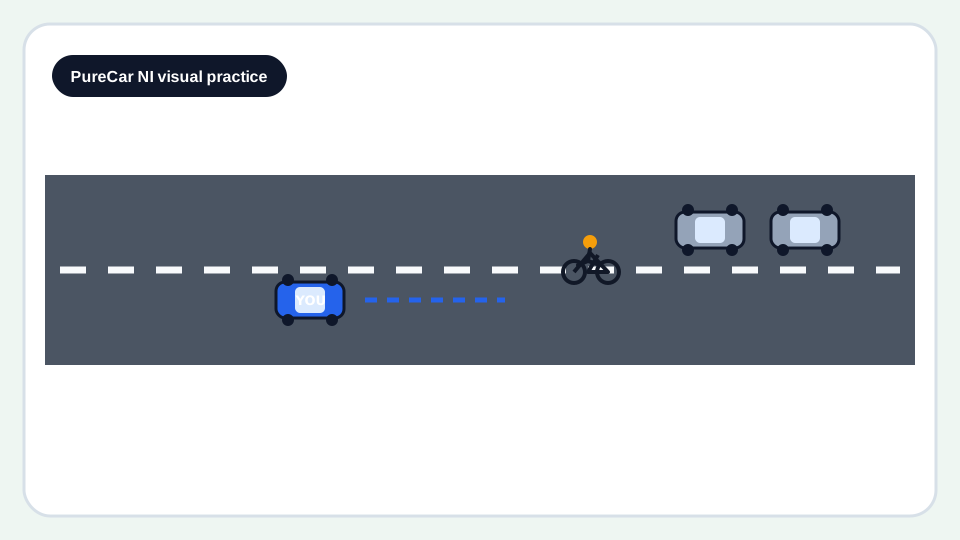
A. Stay back and allow plenty of space before overtaking only when safe Correct
B. Pass closely before the road narrows
C. Sound the horn continuously so the cyclist stops
D. Move alongside the cyclist and match their speed
Cyclists may need to move out around parked cars or doors. Give them space and overtake only when safe.
Why might the cyclist move further into the road?Visual Road Scenarios
A. To avoid opening doors or parked-car hazards Correct
B. Because cyclists must always ride in the centre
C. To stop you from overtaking
D. Because road markings do not apply to cyclists
Parked vehicles can create dooring and visibility hazards, so cyclists may need extra road space.
How should you pass the horse rider?Visual Road Scenarios
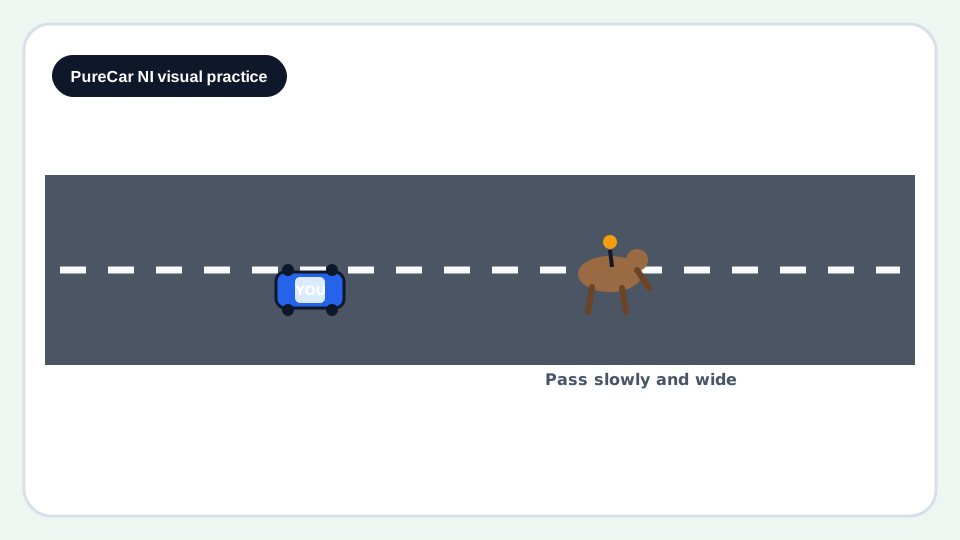
A. Slow down, give plenty of room and pass quietly when safe Correct
B. Rev the engine so the horse knows you are there
C. Pass closely to reduce time alongside
D. Use the horn before overtaking
Horses can be startled. Slow down, leave plenty of space and avoid revving or sounding the horn.
What should you be prepared for?Visual Road Scenarios
A. The horse may react unpredictably Correct
B. The rider must always move onto the verge
C. The horse will keep a perfectly straight line
D. You have automatic priority because you are in a car
Animals can react unexpectedly, so reduce speed and allow extra room.
A child is close to parked vehicles ahead. What is the safest response?Visual Road Scenarios
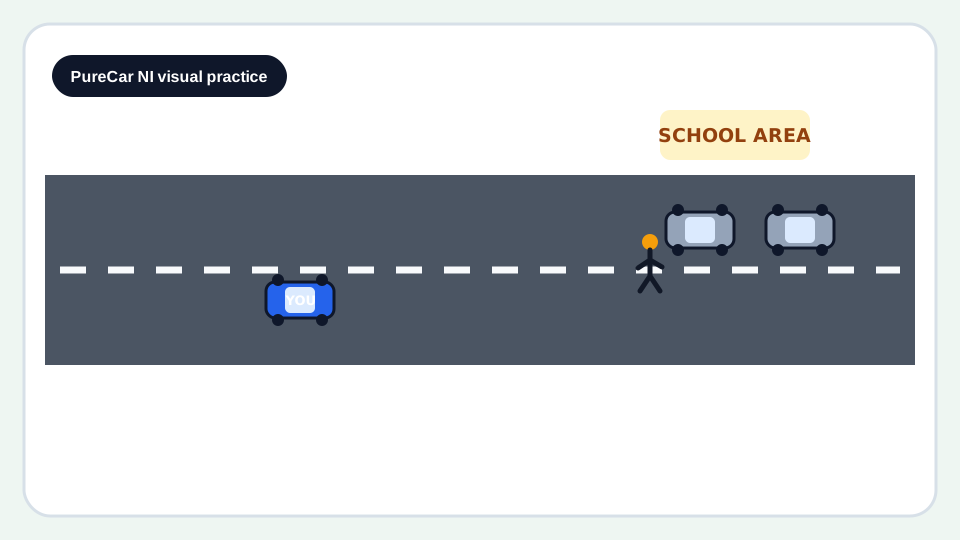
A. Reduce speed and be ready to stop Correct
B. Accelerate before the child reaches the road
C. Move closer to the parked vehicles
D. Flash your headlights and maintain speed
Children can move unpredictably and may be hidden by parked vehicles. Slow early and prepare to stop.
Why are the parked vehicles an extra hazard?Visual Road Scenarios
A. They can hide pedestrians from your view Correct
B. They make the speed limit higher
C. They give you automatic priority
D. They prevent pedestrians from entering the road
Parked vehicles can obstruct your view of children and other pedestrians.
The road is wet. What should happen to your normal following gap?Visual Road Scenarios
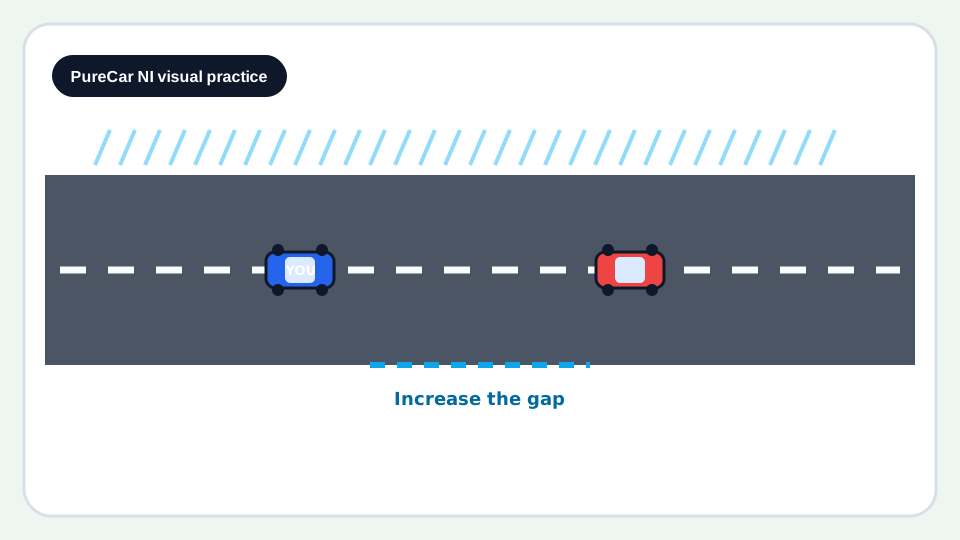
A. Increase it substantially; at least double the normal gap is a useful rule Correct
B. Keep exactly the same gap
C. Reduce it so other vehicles cannot enter
D. Drive closer so you can see the spray pattern
Stopping distances increase on wet roads, so you should leave much more space.
What is the main reason for leaving more space?Visual Road Scenarios
A. Reduced grip means you may need more distance to stop Correct
B. Rain makes your brakes work instantly
C. The vehicle ahead is legally required to stop sooner
D. A larger gap makes your headlights brighter
Wet conditions reduce tyre grip and increase braking distance.
Visibility is seriously reduced by fog. What should you do?Visual Road Scenarios
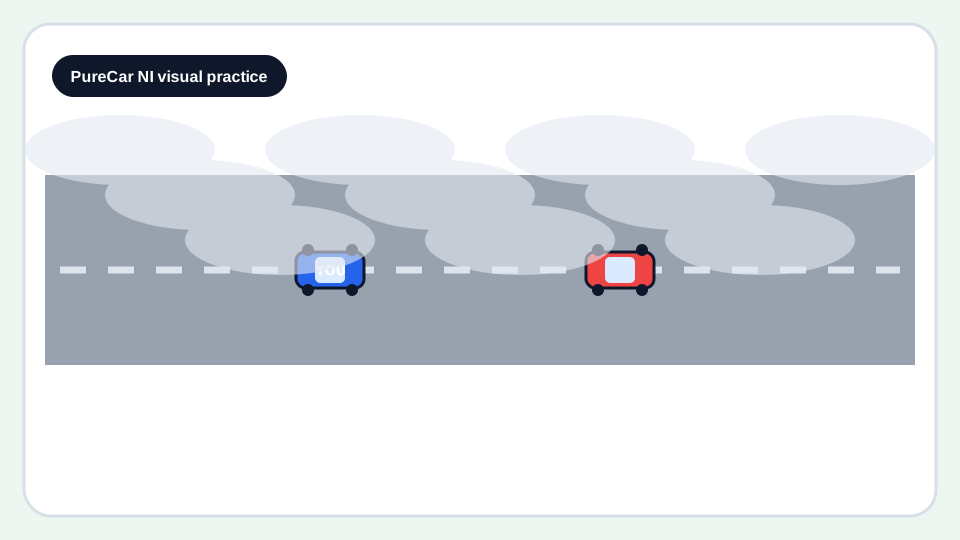
A. Slow down, increase the gap and use appropriate lights Correct
B. Use main beam at all times and maintain speed
C. Follow the vehicle ahead closely
D. Stop in a live traffic lane until the fog clears
In poor visibility you should reduce speed, increase separation and use the correct lights.
Why can main beam be unhelpful in dense fog?Visual Road Scenarios
A. Light can reflect back and reduce your view Correct
B. It switches off your rear lights
C. It makes the road surface slippery
D. It causes the engine to overheat
Main beam can reflect from fog droplets and make visibility worse.
You are joining the motorway from the slip road. What should you do?Visual Road Scenarios
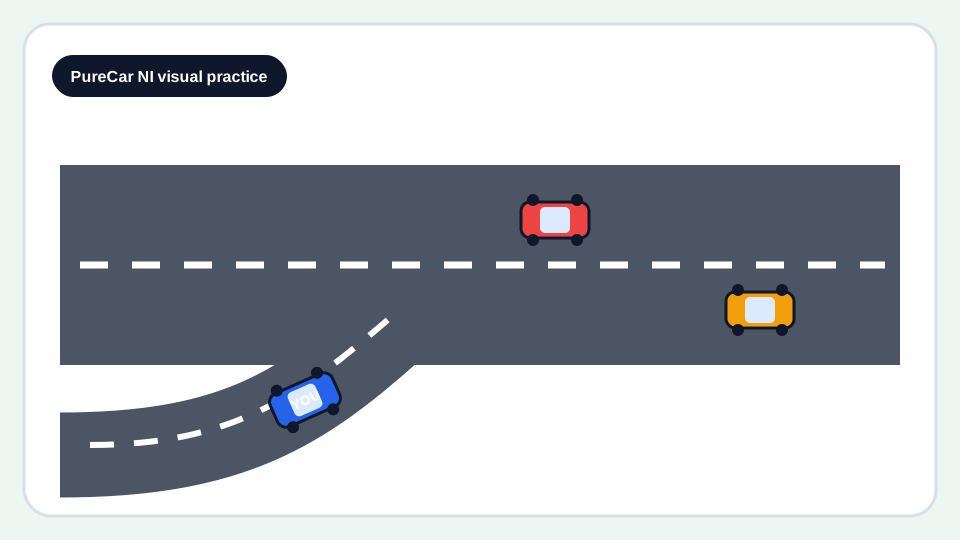
A. Use the slip road to match traffic speed where safe and join a suitable gap Correct
B. Stop at the end of the slip road unless the motorway is empty
C. Force vehicles on the motorway to move lane
D. Join at a very low speed to be cautious
Use the acceleration lane to build an appropriate speed and merge into a safe gap without forcing other traffic to alter course.
Who has priority as you join?Visual Road Scenarios
A. Traffic already on the motorway Correct
B. Traffic on the slip road
C. Whichever vehicle is travelling fastest
D. The largest vehicle
Vehicles already on the motorway have priority over traffic joining from a slip road.
Your lane is closing at roadworks. What should you do?Visual Road Scenarios
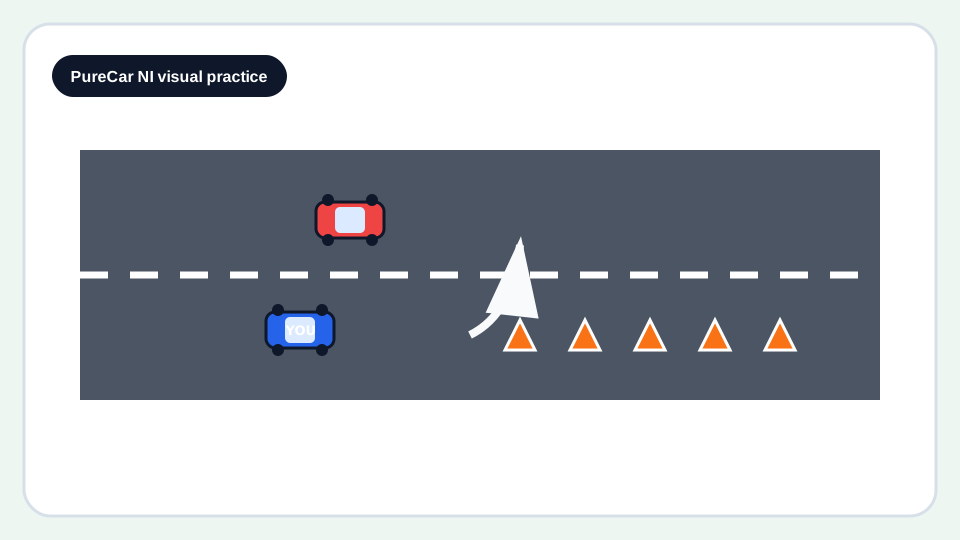
A. Follow temporary signs and merge safely when appropriate Correct
B. Drive through the cones if the lane looks clear
C. Stop immediately in your lane
D. Ignore temporary signs if permanent markings differ
Temporary traffic management signs and markings must be followed. Merge safely and predictably.
What should you avoid during the merge?Visual Road Scenarios
A. Forcing another driver to brake sharply Correct
B. Checking mirrors before moving
C. Using a signal when appropriate
D. Adjusting speed to a safe gap
A safe lane change should not force other road users to take sudden avoiding action.
Traffic beyond the yellow box is stationary and your exit is blocked. What should you do?Visual Road Scenarios
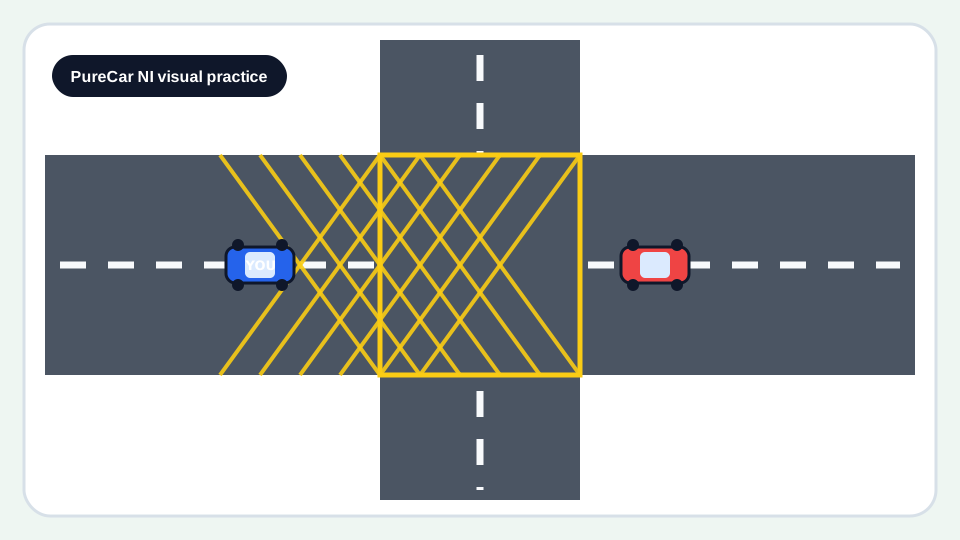
A. Wait before the box until your exit is clear Correct
B. Enter the box and wait in the middle
C. Follow the vehicle ahead into the box
D. Move onto the crossing area to create space
You should not enter a box junction unless your exit is clear, apart from the specific right-turn exception.
Why is stopping in the box a problem?Visual Road Scenarios
A. It can block traffic moving across the junction Correct
B. It gives you priority over side-road traffic
C. It makes traffic lights change more quickly
D. It is allowed whenever you are following another car
The box is intended to keep the junction clear for intersecting traffic.
You have safely passed the slower vehicle. What should you normally do next?Visual Road Scenarios
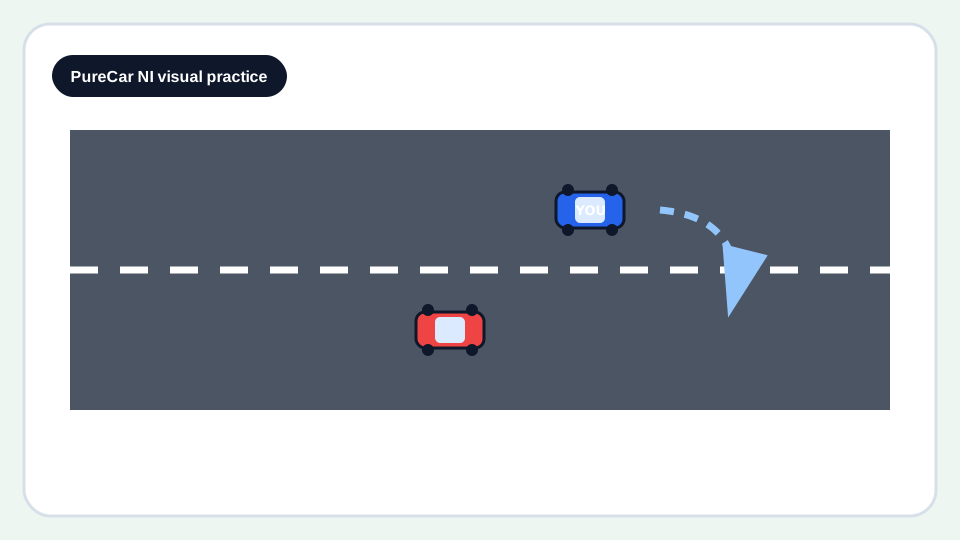
A. Return to the left lane when it is safe Correct
B. Stay in the right lane indefinitely
C. Brake sharply before moving left
D. Move left without checking mirrors
On multi-lane roads you should normally keep left unless overtaking or signs direct otherwise.
What should you do before moving back left?Visual Road Scenarios
A. Check mirrors and make sure you are safely clear of the vehicle Correct
B. Signal and move immediately regardless of distance
C. Look only over your left shoulder
D. Slow to the same speed as the overtaken vehicle
Use mirrors and ensure there is enough clearance before returning to the left lane.
You want to turn right across the red vehicle’s path. What should you do?Visual Road Scenarios
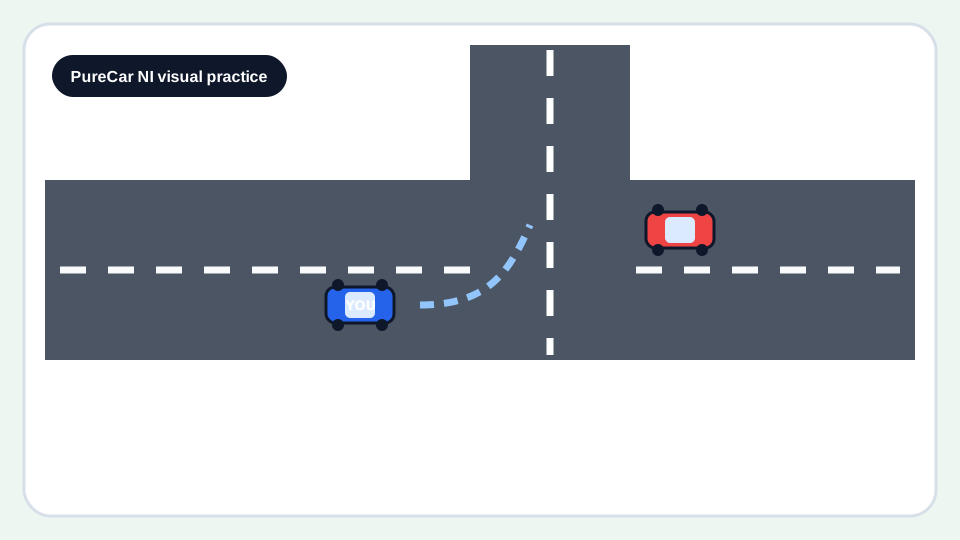
A. Wait until there is a safe gap in oncoming traffic Correct
B. Turn quickly because you are indicating
C. Move into the red vehicle’s lane to make it stop
D. Sound your horn and turn
When turning right you must give way to oncoming traffic if your turn would cross its path.