
Junctions
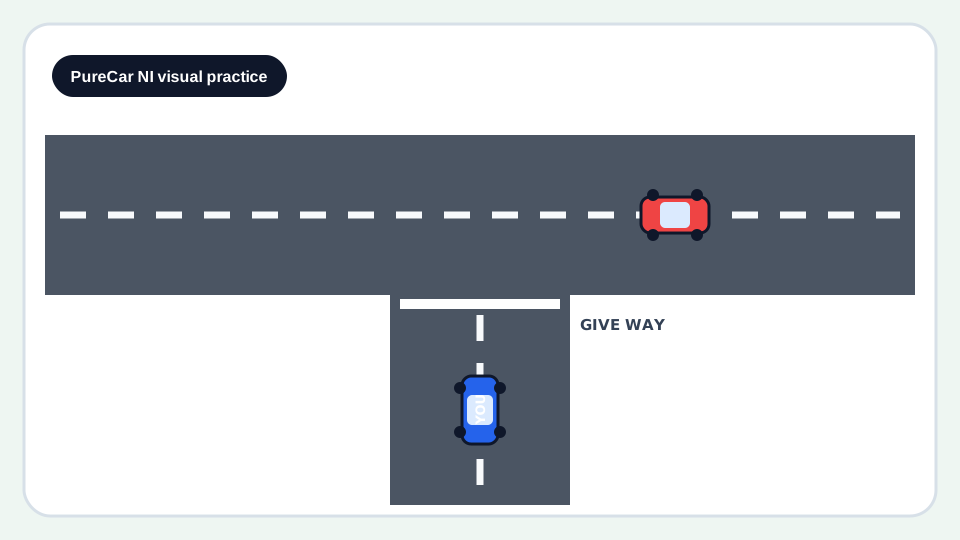
T-junction priority
At a give-way junction you must not enter the main road until it is safe.
These are original PureCar vector diagrams built specifically for NI learners. Practise junctions, roundabouts, vulnerable road users, motorways, weather and developing hazards without using copied official test images.
Open a scene to understand what it is testing, then use the randomised visual practice test.
At a give-way junction you must not enter the main road until it is safe.
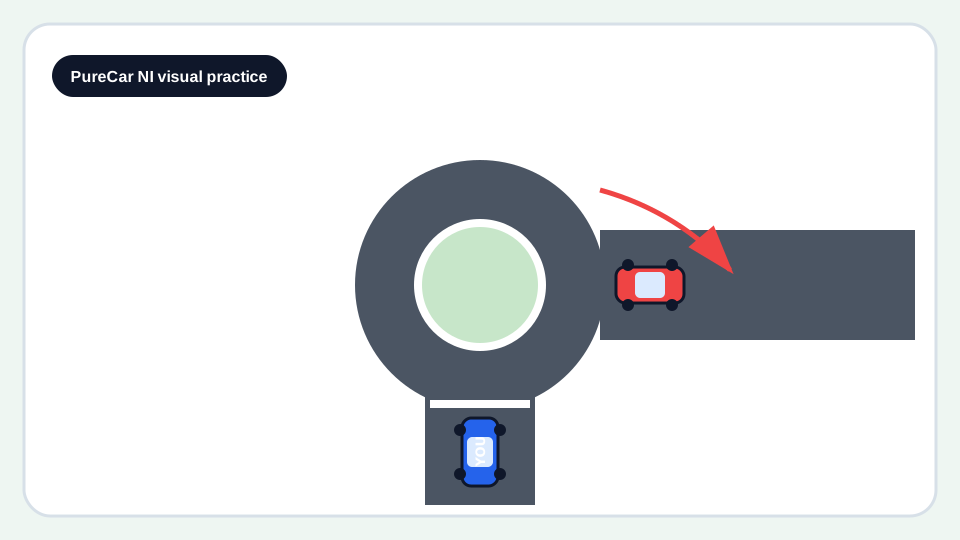
At a normal roundabout you should give priority to traffic approaching from your right unless signs or markings say otherwise.
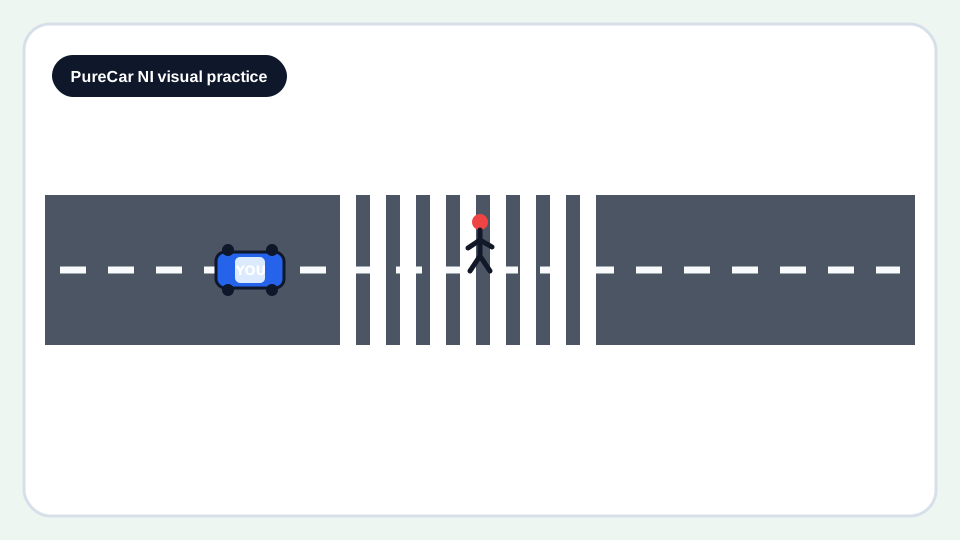
You must give way to pedestrians who are on a zebra crossing.
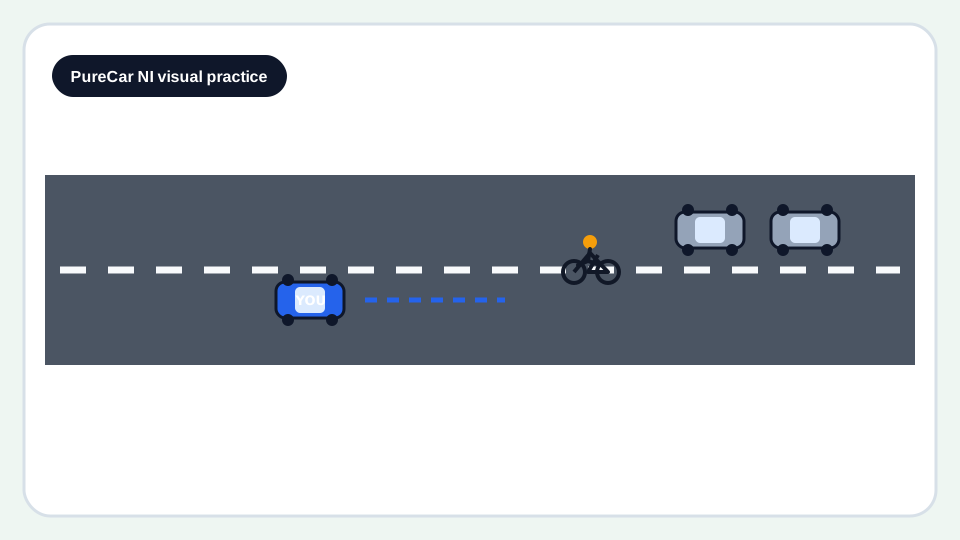
Cyclists may need to move out around parked cars or doors. Give them space and overtake only when safe.
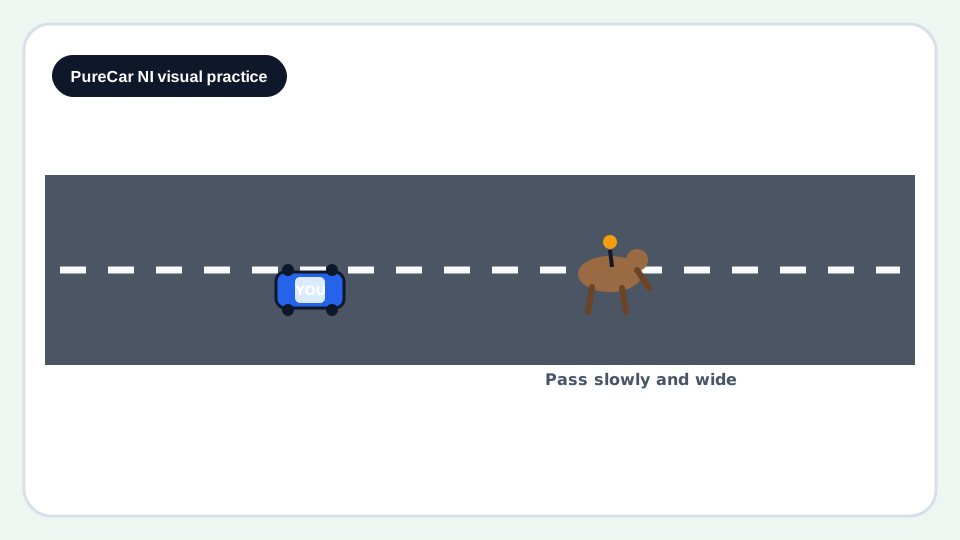
Horses can be startled. Slow down, leave plenty of space and avoid revving or sounding the horn.
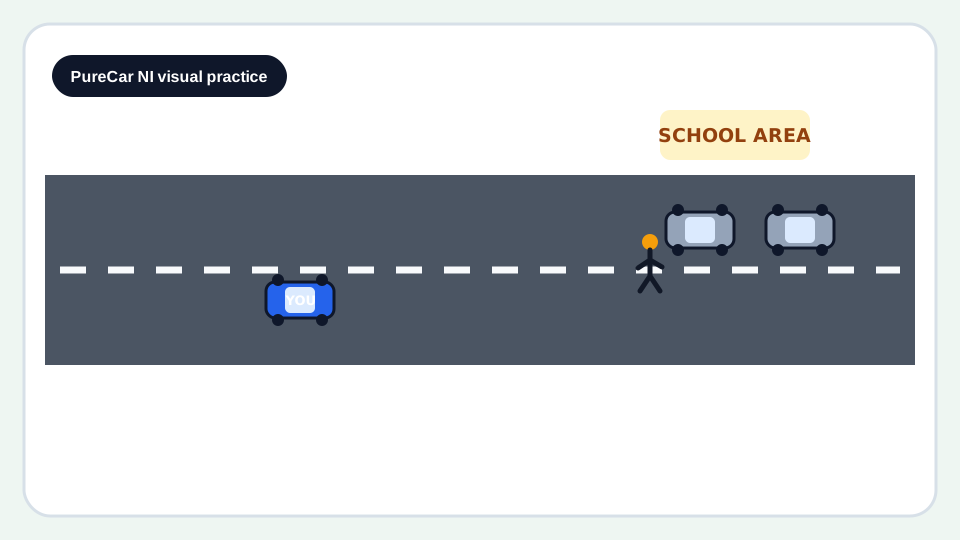
Children can move unpredictably and may be hidden by parked vehicles. Slow early and prepare to stop.
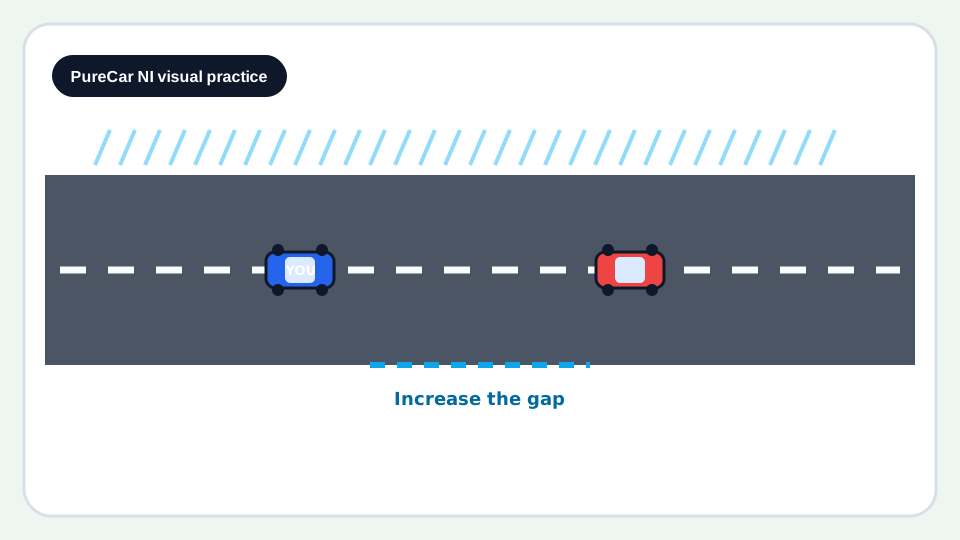
Stopping distances increase on wet roads, so you should leave much more space.
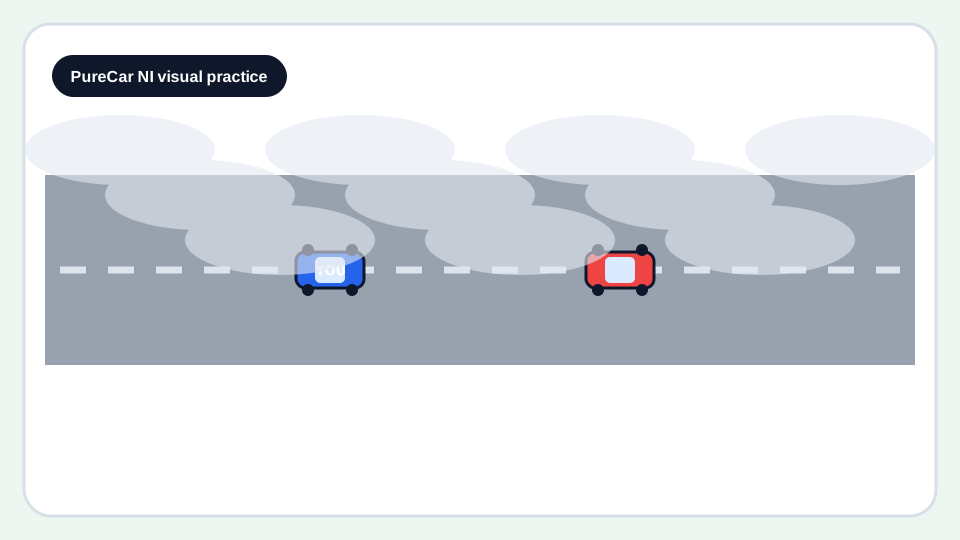
In poor visibility you should reduce speed, increase separation and use the correct lights.
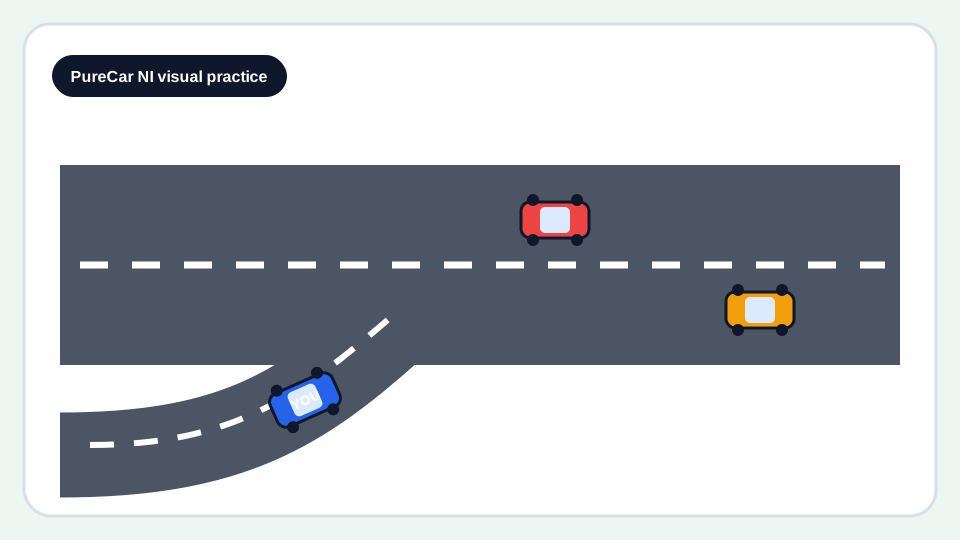
Use the acceleration lane to build an appropriate speed and merge into a safe gap without forcing other traffic to alter course.
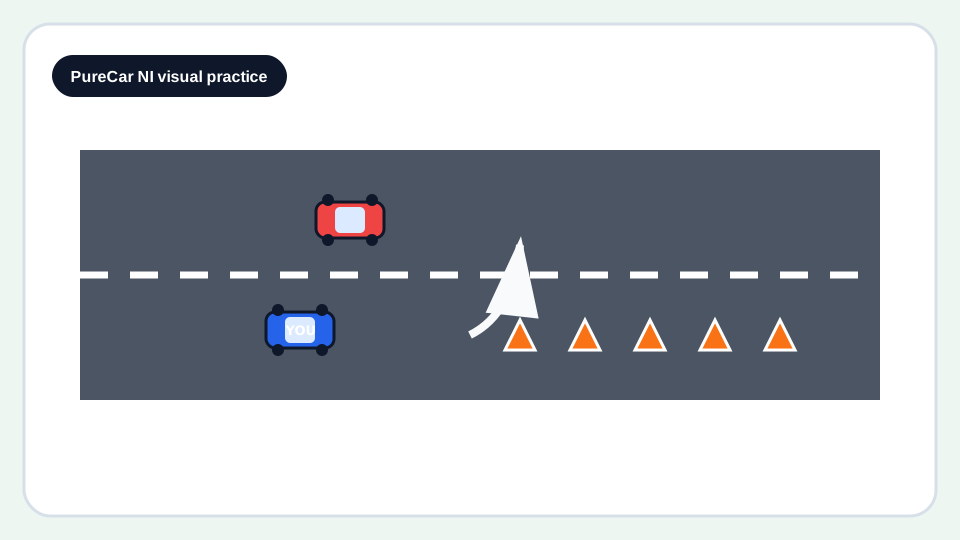
Temporary traffic management signs and markings must be followed. Merge safely and predictably.
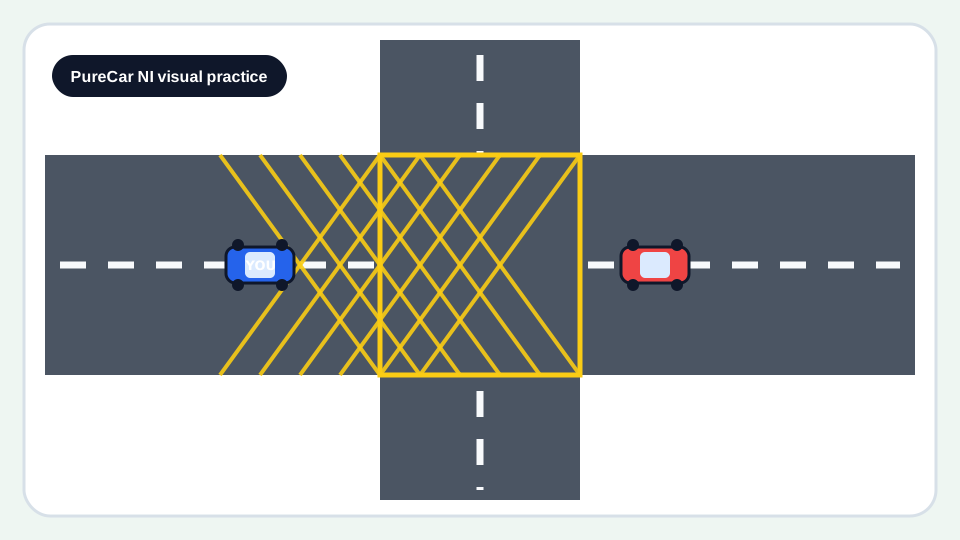
You should not enter a box junction unless your exit is clear, apart from the specific right-turn exception.
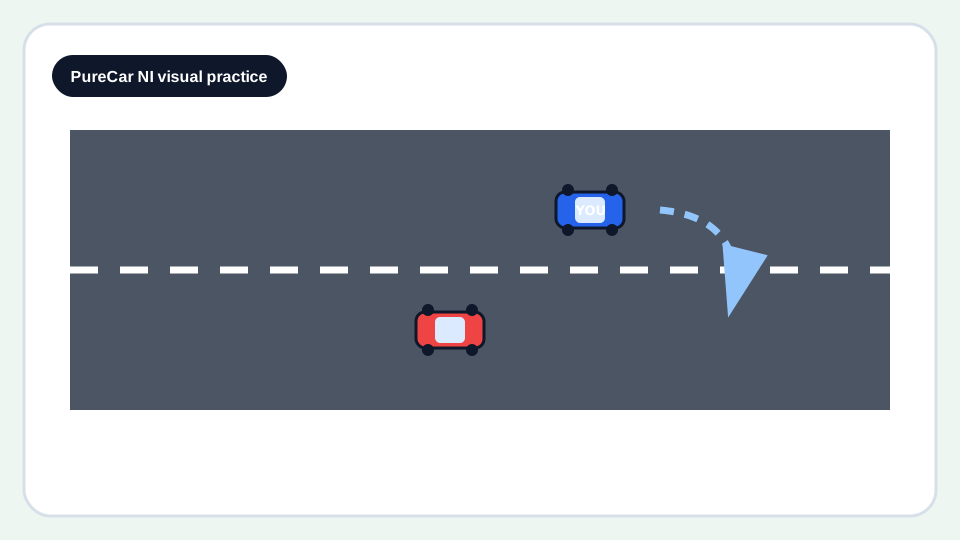
On multi-lane roads you should normally keep left unless overtaking or signs direct otherwise.
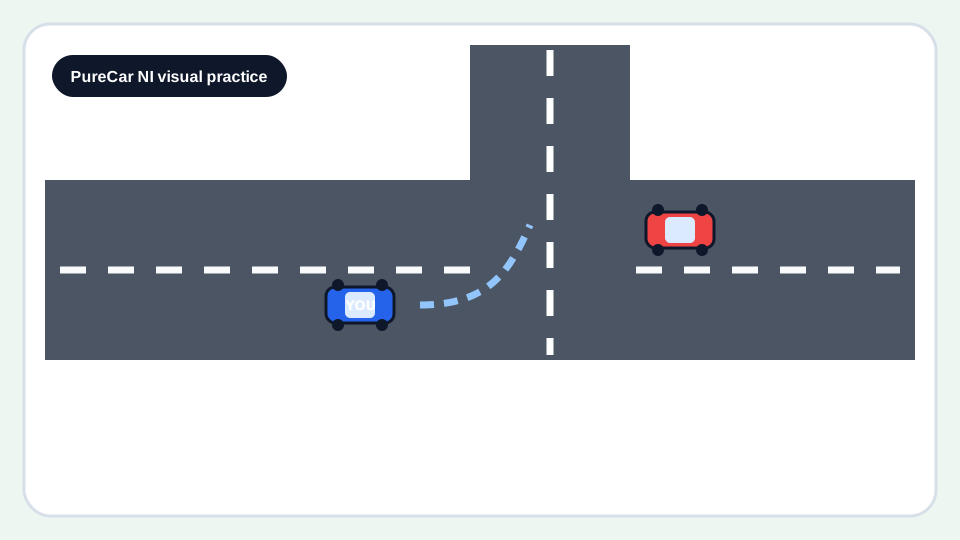
When turning right you must give way to oncoming traffic if your turn would cross its path.
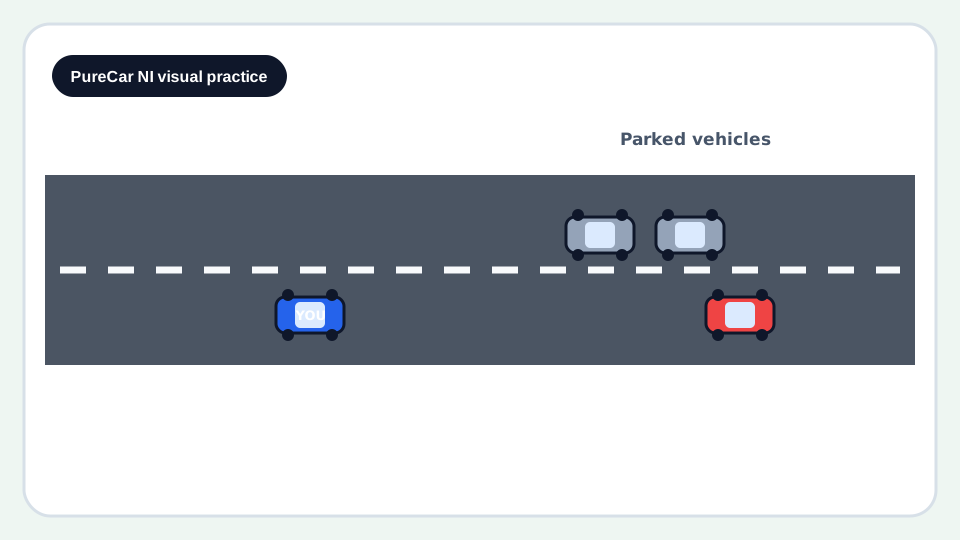
If the obstruction is on your side, you should normally give way when necessary to pass safely.
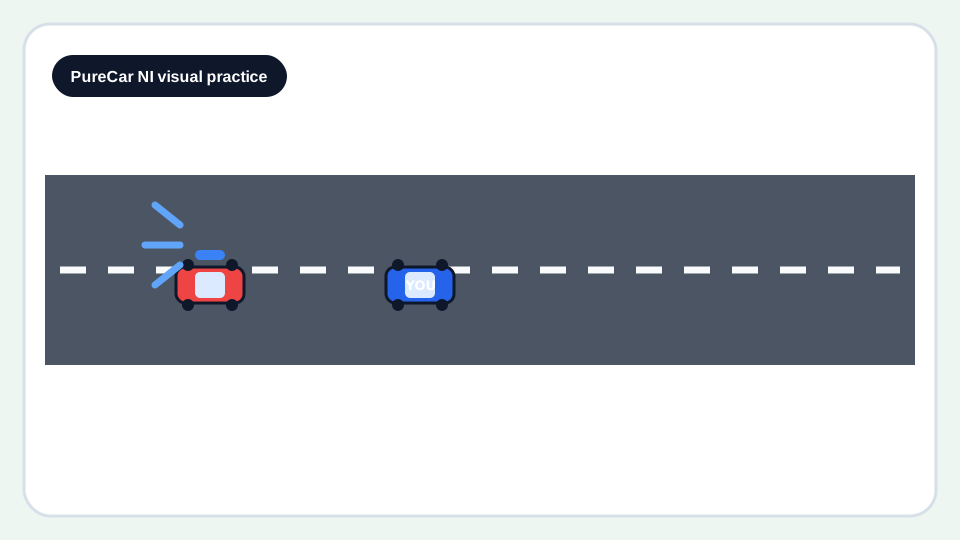
Help emergency vehicles make progress, but do not put yourself or others at risk or break traffic rules.
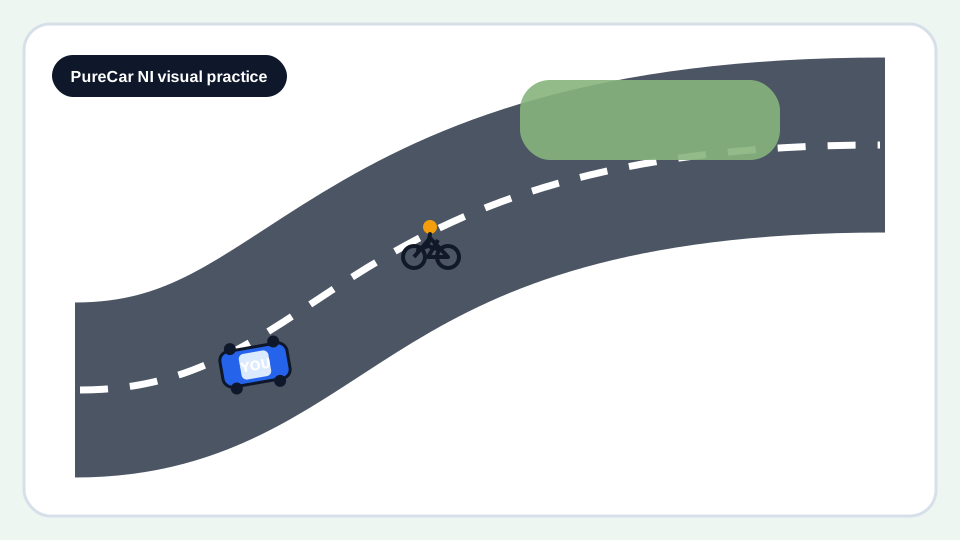
Do not overtake where you cannot see far enough ahead to complete the manoeuvre safely.
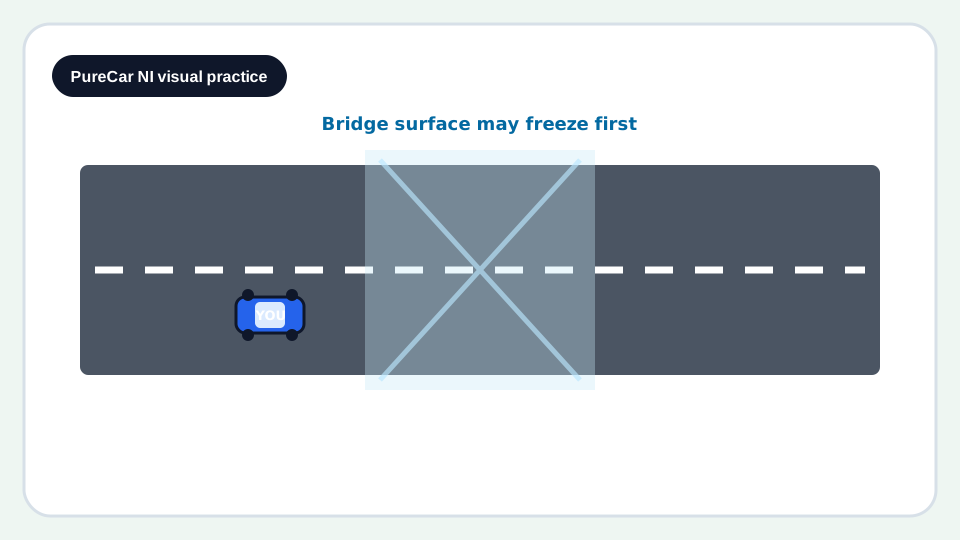
Bridges can freeze before surrounding roads. Reduce speed in good time and use smooth controls.
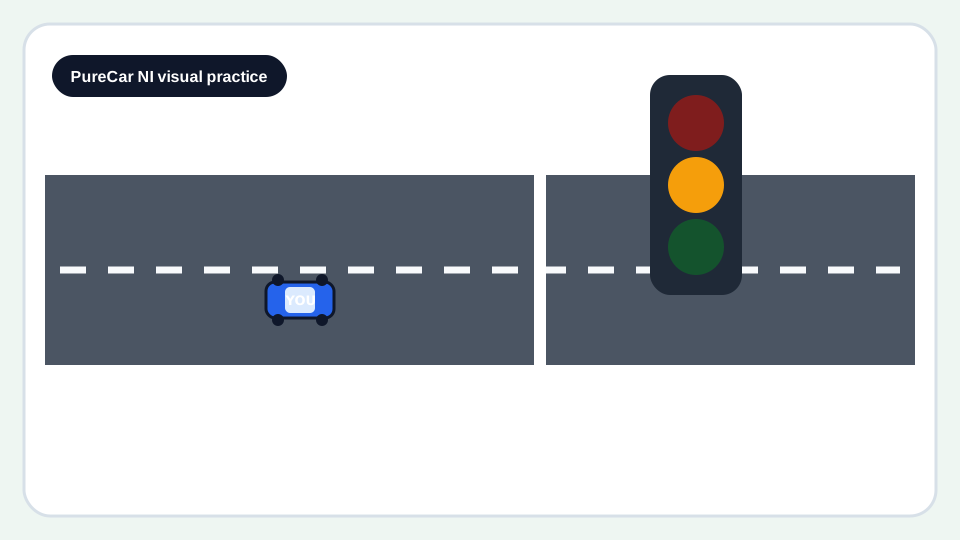
Amber means stop unless you have already crossed the line or are too close to stop safely.
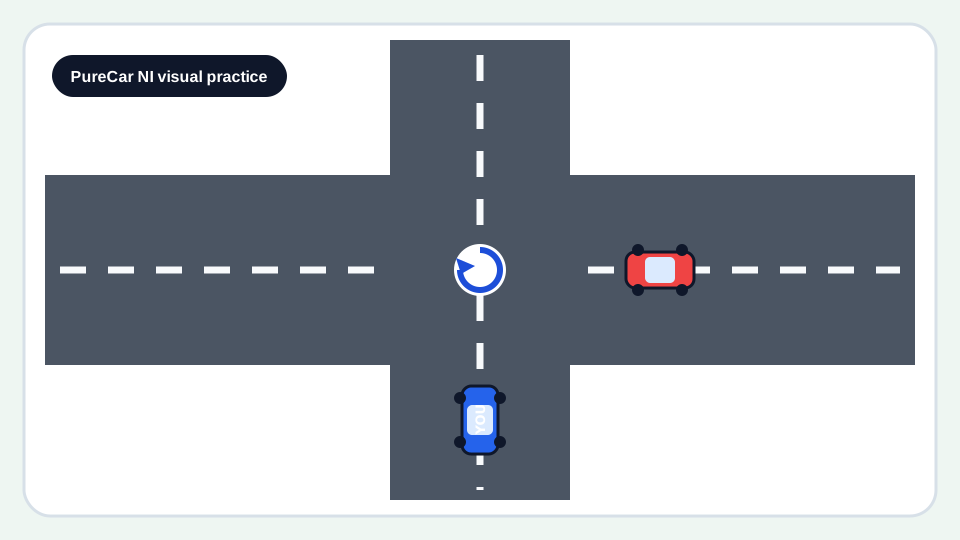
Treat a mini-roundabout like a normal roundabout and give way to traffic from the right unless signs say otherwise.
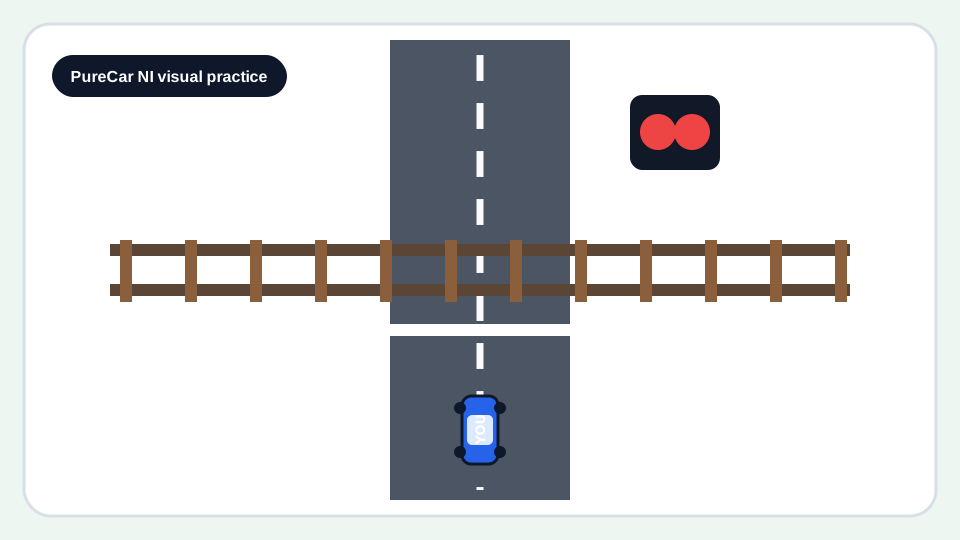
Flashing red lights at a level crossing mean stop. Never try to beat the signals or barriers.
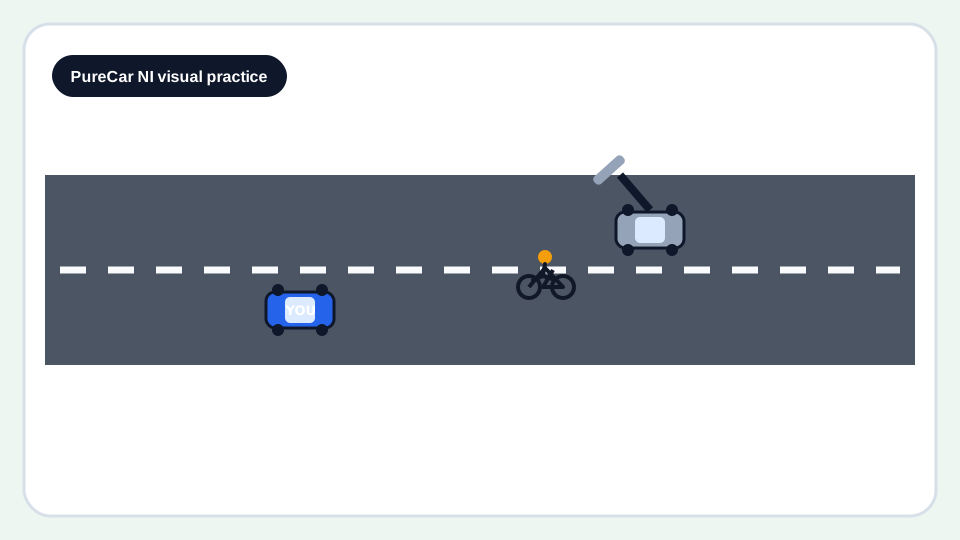
Opening doors can force cyclists to change direction suddenly. Reduce speed and create space.
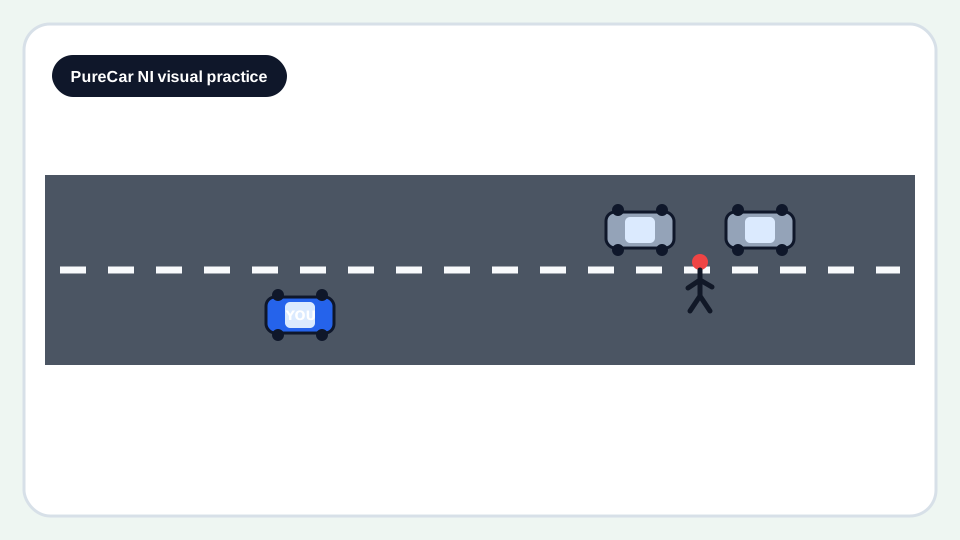
Pedestrians emerging from between parked vehicles may be difficult to see and can step into your path.
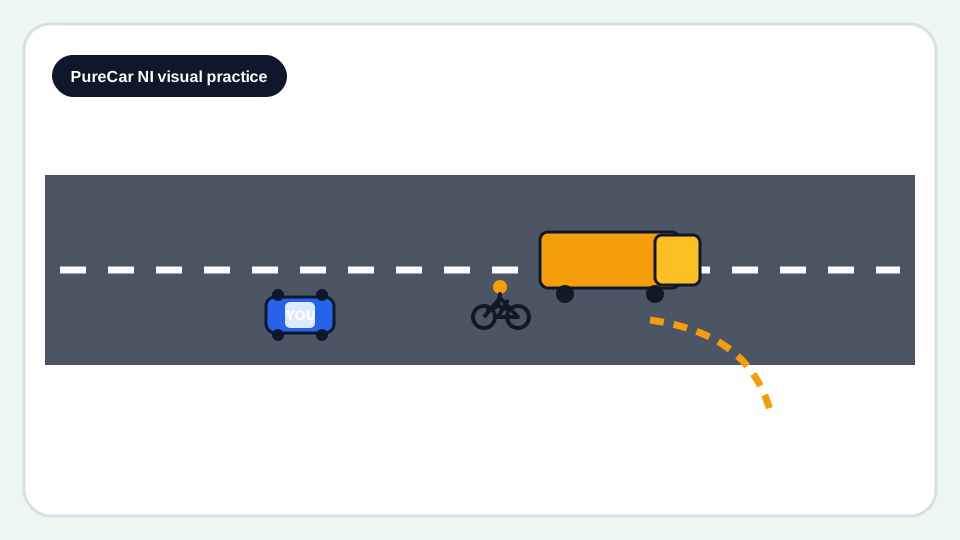
Large vehicles may need extra room to turn and can have significant blind spots. Do not squeeze alongside.
Visual questions can test judgement that plain text does not show as clearly.
See exactly where vehicles, cyclists and pedestrians are positioned instead of imagining a junction from a paragraph.
Learn to recognise situations where a safe driver should slow down before the danger becomes immediate.
These drawings and questions are PureCar practice material. They are not copied DVA/DVSA revision questions or official test artwork.
The factual rules are checked against Northern Ireland Highway Code and DVA/nidirect guidance, not generic app copy.