Car Window Tint Laws in Northern Ireland: Front Windows, Privacy Glass and Used Cars
Dark rear privacy glass and dark front tint are not the same legal question. NI Highway Code guidance specifically restricts excessively dark windscreen and front side-window tinting.
Dark rear privacy glass and dark front tint are not the same legal question. NI Highway Code guidance specifically restricts excessively dark windscreen and front side-window tinting.
Which windows are the legal focus?
The Official Highway Code for Northern Ireland says you must not use a vehicle with excessively dark tinting on the windscreen or the front window on either side of the driver. These are the panes most directly involved in forward and side visibility.
The same guidance notes no equivalent VLT limits there for rear windscreens or rear passenger windows, which helps explain why factory privacy glass is commonly much darker behind the driver.
Factory glass versus aftermarket film
Manufacturers design front glazing to comply when the vehicle is produced. Adding film reduces the total light transmitted through the combined glass and film.
A film marketed with a percentage does not by itself tell you the final measured transmission after it is applied to glass that already absorbs some light.
Why front tint matters
At night, in rain and on poorly lit roads the driver needs to identify pedestrians, cyclists, road markings and other vehicles through the front and side glass. Darkening those panes removes light when visibility is already reduced.
Very dark front glass can also make eye contact between drivers and vulnerable road users harder at crossings and junctions.
Buying a used car with tint
Ask who installed aftermarket front film and whether the finished glass was measured. Look for bubbling, peeling and poor edges. Do not accept 'it passed an MOT' as permanent proof that the current glass is legal.
Check whether tint work has damaged demister elements or other equipment embedded in the glass.
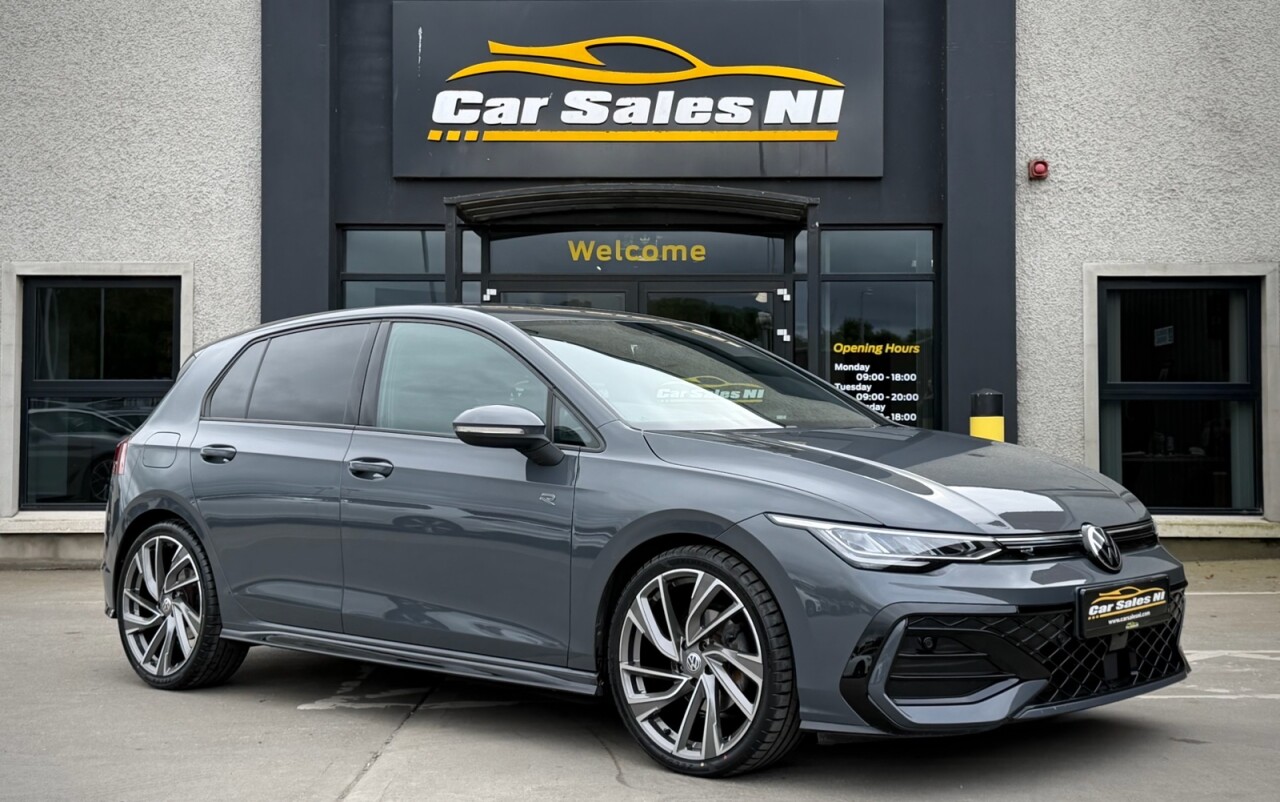
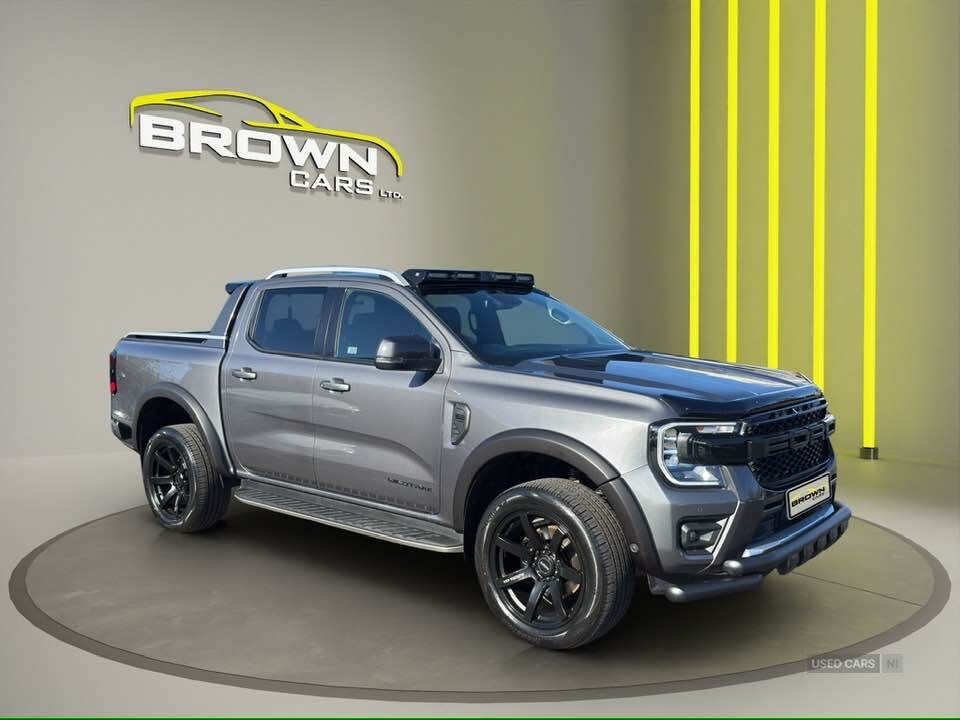
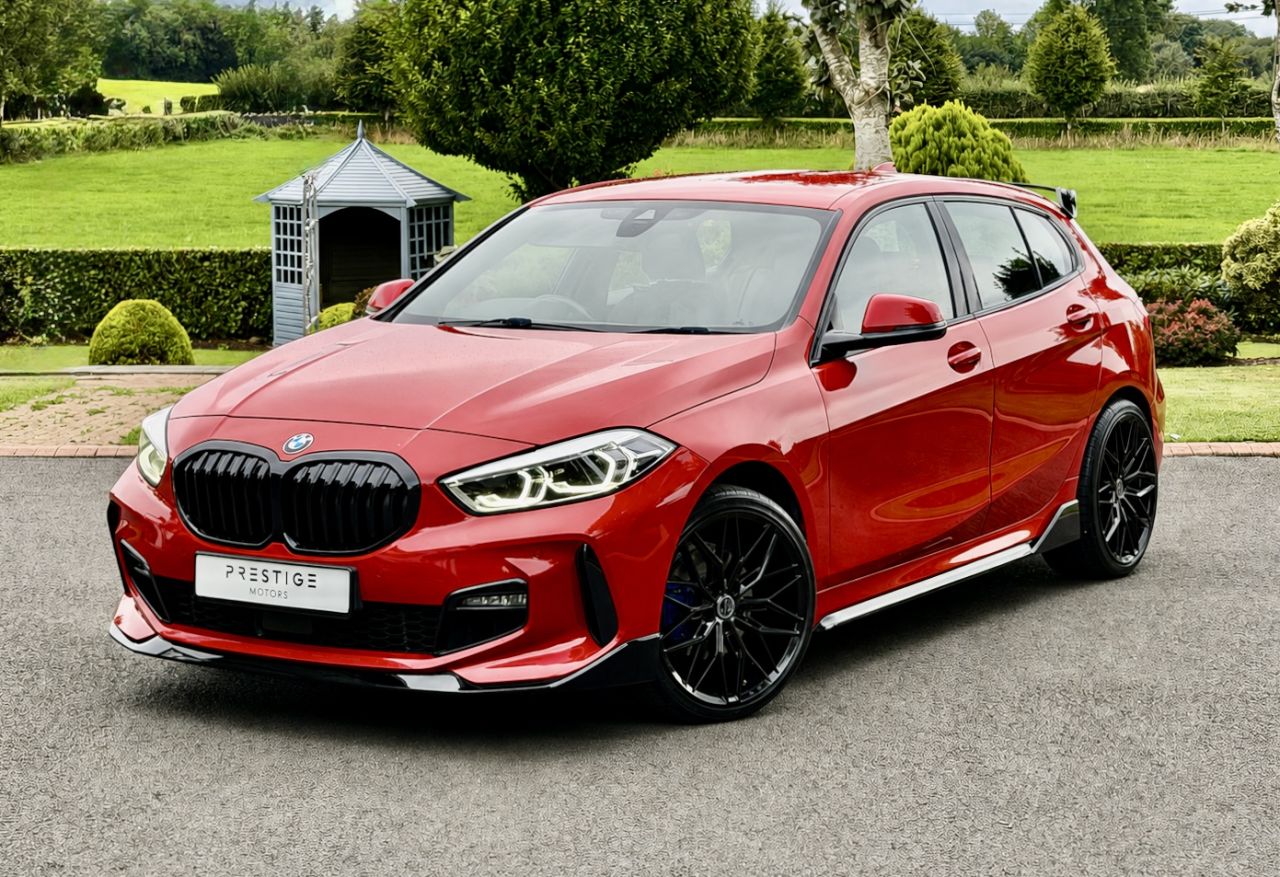
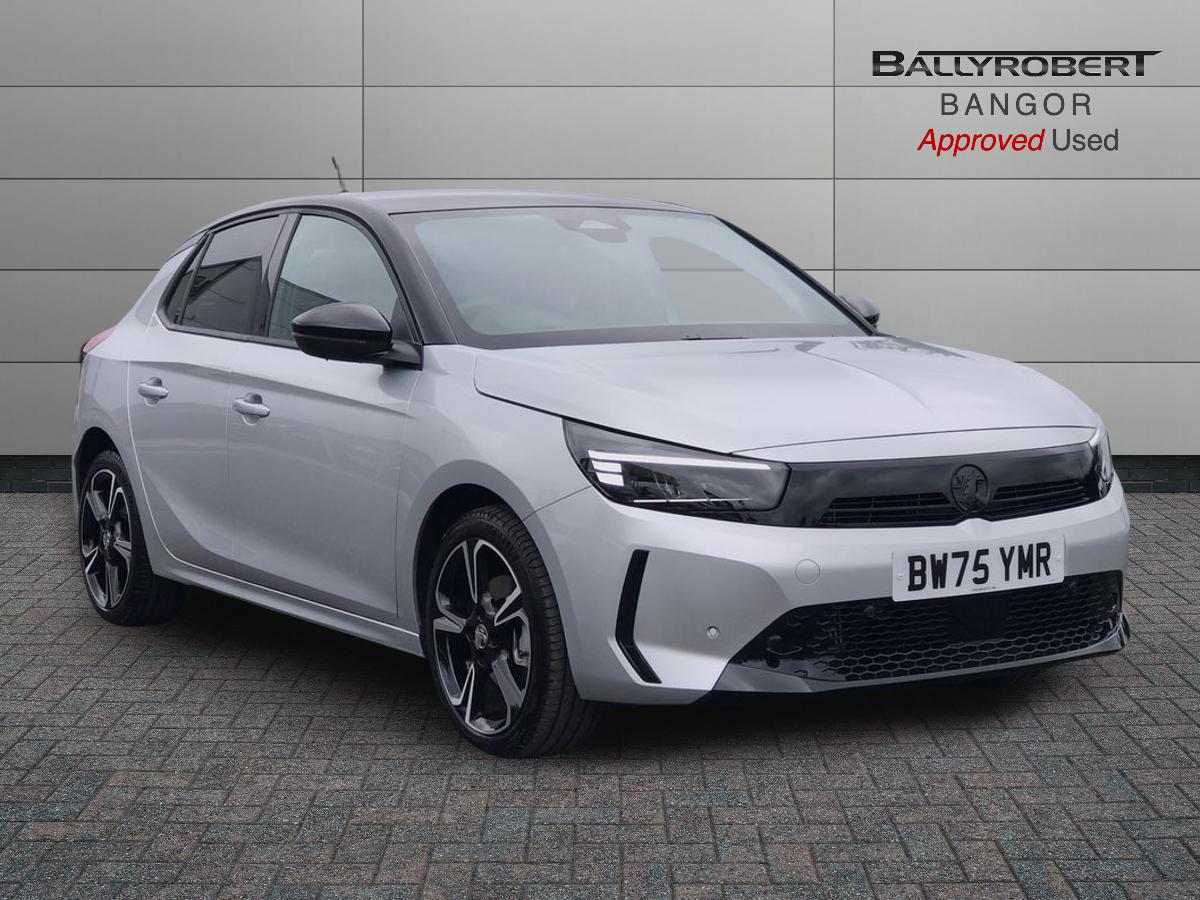
Do not judge legality from a photograph
Camera exposure, sunlight and interior colour can make the same window appear much darker or lighter. If front tint looks questionable, have the visible-light transmission measured with suitable equipment or remove the film.
Verification is cheaper than buying a car and immediately having to correct the glazing.
Tell the insurer about modifications
Aftermarket tint is a modification. Insurers differ in how they treat modifications, so disclose it where the policy requires and obtain confirmation of cover.
When buying a modified car, ask for a full list of changes rather than discovering them one by one.
MOT pass is not permanent approval
Roadworthiness and construction/use requirements apply whenever the car is driven. An old MOT certificate does not make a later modification legal.
Replacing damaged glass or adding film after the test can change the vehicle's compliance.
Sensible tint checklist
Keep windscreen and front side glass clearly within legal requirements, use a reputable installer, retain paperwork, notify the insurer where required and verify unusually dark front glass before buying.
For privacy, the rear passenger area is where manufacturers normally use much darker glazing while keeping the driver's critical viewing area clear.
Frequently asked questions
Are rear privacy windows illegal if they are very dark?
The NI Highway Code specifically focuses the light-transmission restriction on the windscreen and front side windows and notes no equivalent VLT limits there for rear passenger windows or rear windscreen. Other safety requirements still apply.
Why can legal film still make the finished glass too dark?
The original glass already transmits less than 100% of light. Adding film reduces transmission again. The finished glass-and-film combination is what matters, not the film's marketing percentage viewed in isolation.
Can I tell from a photo whether tint is legal?
No. Sunlight, camera exposure and the colour of the interior can make glass appear lighter or darker. Questionable front glass should be measured rather than judged from an advert photograph.
Does an MOT pass prove the tint is legal forever?
No. A test is a snapshot, and film may have been added afterwards. Construction and use rules apply whenever the car is driven, regardless of the date on the MOT certificate.
Should tint be declared to insurance?
Aftermarket tint is a modification. Policy wording differs, so disclose it where required and get confirmation from the insurer. Do not assume a cosmetic-looking change is irrelevant to underwriting.
What should a used-car buyer do with dark front tint?
Ask who fitted it, look for installation paperwork, inspect the film quality and have the front glass measured if it appears unusually dark. Price removal into the deal if compliance is uncertain.
Modified-car buying checklist
Window film should trigger a wider modification conversation. Ask whether the suspension, lights, exhaust, wheels, engine software or other parts have also been changed. Request invoices and installer details where available, and make sure the insurer knows about modifications it requires to be declared.
For the glass itself, inspect from inside and outside in good light, operate every window and demister, and look for scratches, bubbles or peeling. If front transmission is uncertain, measure it before purchase. Removing questionable film is straightforward compared with resolving an insurance or enforcement problem later.
Continue on PureCar
The useful next step is to turn the guidance into a practical check:
- Check your NI MOT history — review current status, previous results and recorded mileage
- Open PureCar MOT tools — continue into the Northern Ireland MOT hub
- Get a free NI car valuation — compare your car with the Northern Ireland market