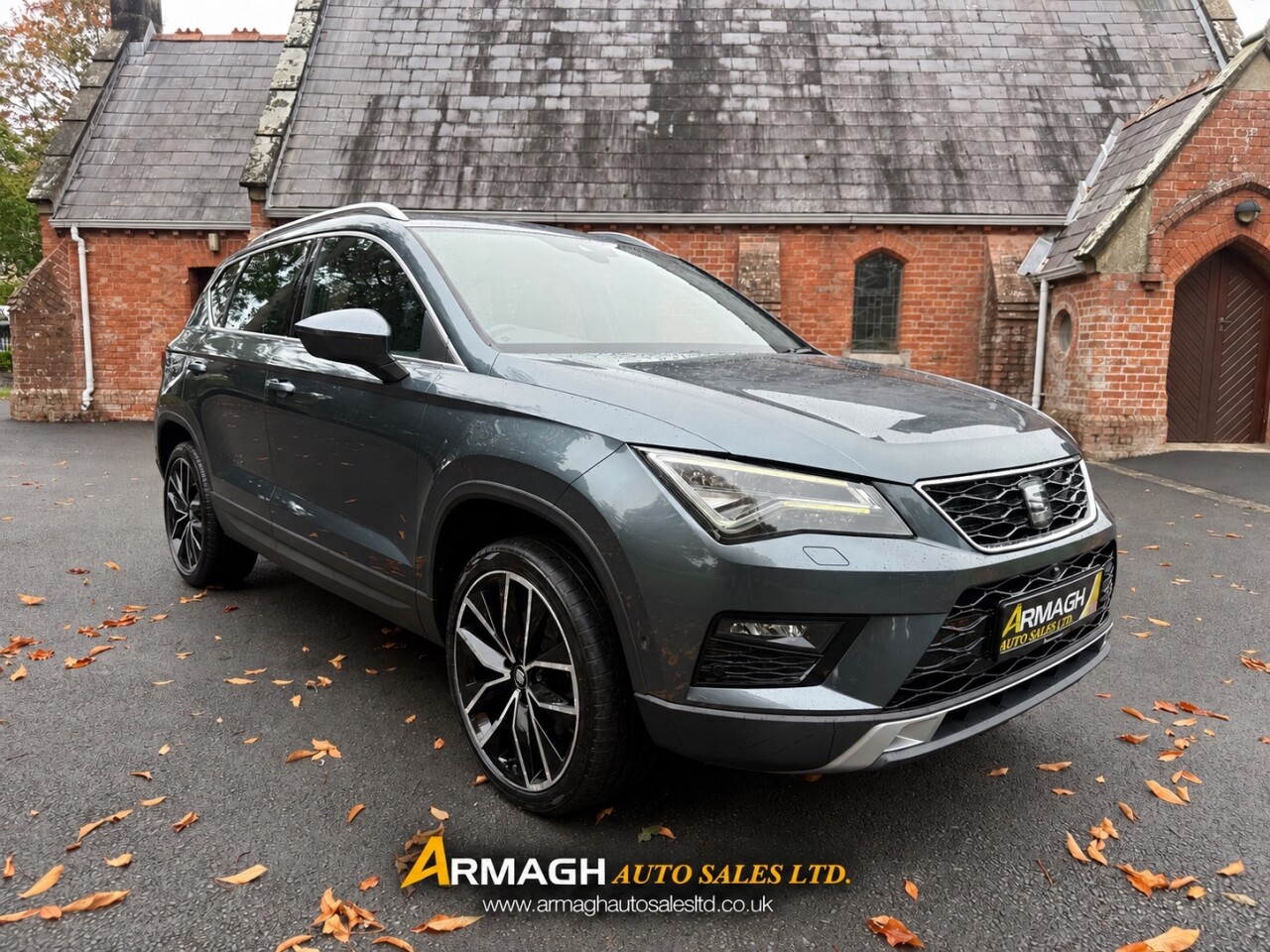
Child Car Seat Laws in Northern Ireland: The 135cm Rule, Ages and Exceptions
Children in Northern Ireland generally need the correct restraint until they reach 135cm or their 12th birthday, whichever comes first. The driver is responsible for children under 14, and only limited exceptions apply.
Children in Northern Ireland generally need the correct restraint until they reach 135cm or their 12th birthday, whichever comes first. The driver is responsible for children under 14, and only limited exceptions apply.
The 135cm or 12-year rule
Nidirect says children normally need the correct child restraint until they reach 135cm in height or their 12th birthday, whichever comes first. After that, they must use an adult seat belt where one is fitted.
The words 'whichever comes first' matter. Do not rely on age alone and do not move a child into an adult belt merely because friends of the same age have already changed seats.
Children under three
Children under three must normally use a suitable child restraint in the front or rear. Nidirect lists a narrow exception for a child travelling in the rear of a taxi or minibus where the correct restraint is unavailable.
A rear-facing baby seat must not be used in front of an active airbag. If the vehicle allows the airbag to be switched off, follow both the vehicle and seat manufacturer's instructions.
Ages three to 12 and under 135cm
This group normally needs the right child restraint where seat belts are fitted. Official guidance lists limited rear-seat exceptions, including certain taxi journeys, an unexpected necessary short journey where the right restraint is unavailable, and situations where two occupied restraints prevent a third from being fitted.
Those exceptions are not a routine substitute for carrying the correct seat.
Who is legally responsible?
The driver is responsible for ensuring a child under 14 is correctly restrained. From 14, the passenger is responsible for wearing a seat belt where fitted. That means the responsibility follows the driver even when the child is not their son or daughter.
Nidirect currently states a £60 fixed penalty and three points for failure to use the correct child restraint, with the possibility of a higher court fine. Check current official guidance if dealing with a live case.
R44 and R129 or i-Size
Official NI guidance recognises Regulation 44 and Regulation 129, commonly called i-Size. The approval label tells you the standard and the size range. A seat that a child can physically squeeze into is not necessarily the correct approved restraint.
R129 seats are based around height with a maximum weight; older R44 seats use weight groups. Follow the actual seat label and fitting instructions.
ISOFIX does not mean universal fit
ISOFIX can make installation repeatable, but vehicle compatibility still matters. Support legs, top tethers and seating positions can have restrictions. Check the child-seat manufacturer's fitment information for the exact car.
If you need three child seats across the rear, physically test the arrangement before buying a car. Brochure width does not tell you whether three real restraints and their buckles can be used safely.
Used seats and used cars
A second-hand child seat can have an unknown crash history or missing components. If you cannot establish its history and instructions, saving money can create uncertainty about the most important safety equipment in the car.
When viewing a family car, check seat belts retract and latch properly, ISOFIX points are intact, doors open wide enough for daily loading and the front passenger airbag arrangement suits your intended setup.
The family-car test drive
Bring the real child seat if possible. Fit it, set the front seats where adults actually sit and see what space remains. Then test the boot with the pushchair or luggage you normally carry. This is far more useful than deciding from litres of advertised boot capacity.
A good family car is one that works safely every day, not merely one with a large exterior.
Frequently asked questions
Can a child move to an adult belt as soon as they turn 12?
Under the published NI rule, the child-restraint requirement generally ends at 135cm or the 12th birthday, whichever comes first. The adult seat belt must then be used where fitted. Correct belt fit remains important even after the legal child-seat threshold.
Who gets the penalty if a young child is not restrained?
The driver is responsible for children under 14. That applies even when the child belongs to another family. From age 14, responsibility for wearing the seat belt rests with the passenger.
Can I put a rear-facing baby seat in the front?
A rear-facing seat must not be used in front of an active airbag. If the vehicle allows deactivation, follow the car and restraint manufacturers' instructions exactly. If you are uncertain, use an approved rear seating position.
Are taxi journeys completely exempt?
No. Nidirect describes specific exceptions depending on the child's age and whether the correct restraint is available. The existence of an exception does not turn taxis into a general no-restraint zone. Read the current official wording for the actual journey.
Is ISOFIX always safer than a belted seat?
ISOFIX can reduce fitting variation, but a compatible restraint installed correctly is the important point. A poorly fitted ISOFIX seat is not made safe by the attachment label alone. Check the approved seating position, support leg and top-tether requirements.
What should I test when buying a family car?
Fit the real seats you use, put adults in their normal front-seat positions, check rear-door access, buckle accessibility and boot space. This exposes practical problems that dimensions and brochure photographs often hide.
Before every change of child seat or car
Re-check the restraint when the child grows, when the seat moves to another vehicle and after somebody else has removed and refitted it. Confirm the harness height, belt route, support leg or top tether and the seat's approved size range. Do not assume yesterday's installation remains correct after the seat has been moved for luggage or another passenger.
When changing cars, download the vehicle handbook and child-seat instructions before purchase. Check airbag instructions, approved ISOFIX positions and any restrictions around under-floor storage compartments and support legs. A ten-minute fitment check before buying can prevent years of awkward daily use.
Continue on PureCar
The useful next step is to turn the guidance into a practical check:
- Check NI MOT history — check independent test and mileage records
- Get a free NI valuation — put the asking price into market context
- Browse PureCar — compare used cars from Northern Ireland dealers