Driving Eyesight Rules in Northern Ireland: The Number-Plate Test and DVA Rules
The number-plate eyesight standard does not stop mattering when you pass your test. NI drivers have an ongoing duty to meet the required visual standard and relevant eyesight changes may need to be reported to DVA.
The number-plate eyesight standard does not stop mattering when you pass your test. NI drivers have an ongoing duty to meet the required visual standard and relevant eyesight changes may need to be reported to DVA.
The number-plate standard
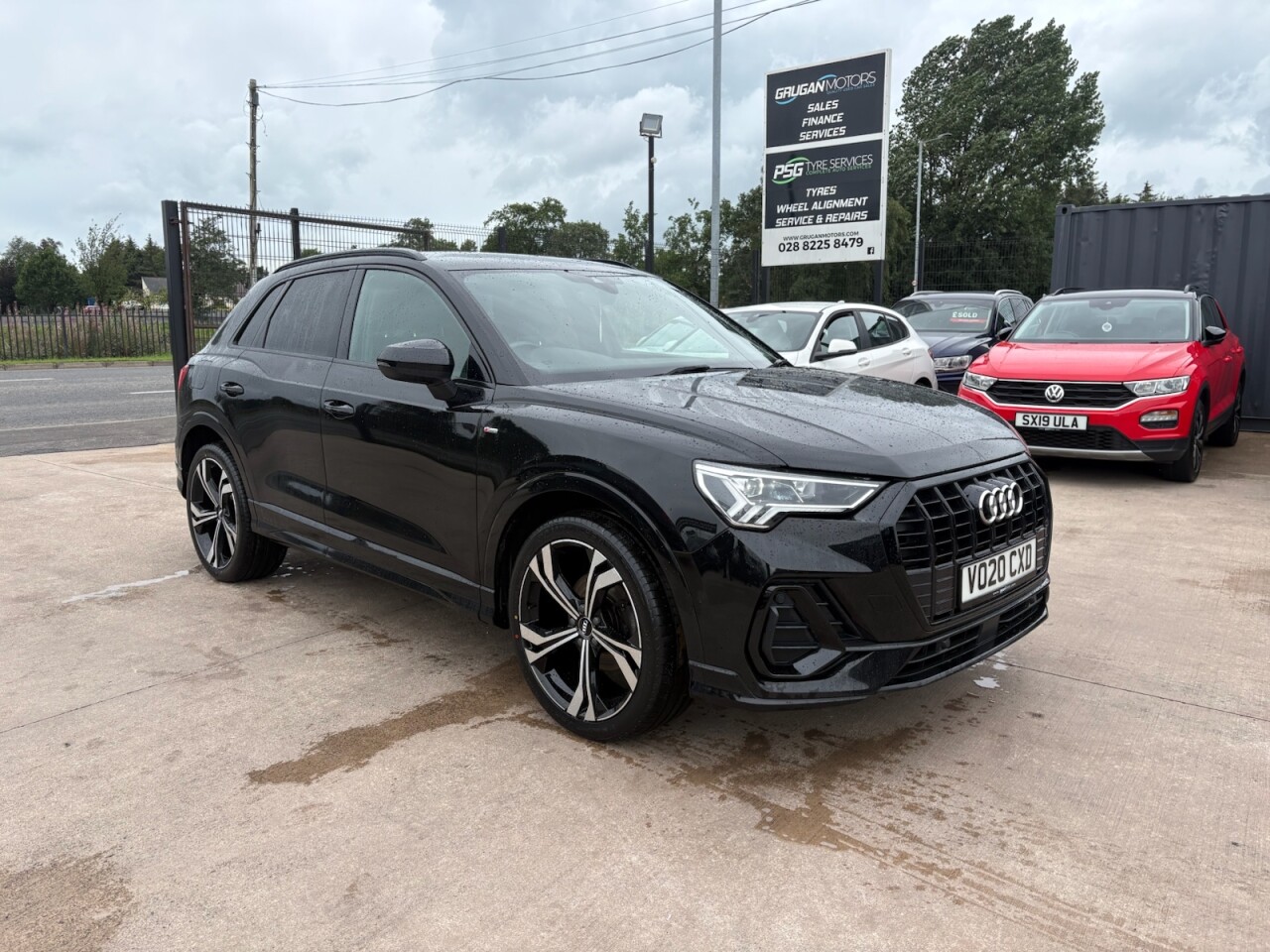
Nidirect says a Group 1 driver must be able to read a standard-size number plate, with glasses or contact lenses if necessary, from 20.5 metres, or 20 metres where the narrower 50mm characters are used.
This is a legal driving standard, not merely a learner-test exercise. Police can require a driver suspected of defective vision to take a number-plate test.
Glasses and contact lenses
If corrective lenses are needed to meet the standard, wear them whenever driving. Being able to recognise the road without them is not a substitute for meeting the legal requirement.
On longer trips, a spare pair can be sensible. If glasses break and you no longer meet the standard, do not continue driving.
Visual field matters
Drivers also need an adequate field of vision. Some conditions can reduce peripheral vision while leaving central reading ability relatively good, which is why passing a home number-plate check cannot rule out every problem.
If an optometrist or doctor raises driving concerns, check the DVA medical rules for the specific condition.
When DVA needs to know
Nidirect says that if an eyesight condition worsens so that you cannot read a number plate or you lose part of your field of vision, you must tell DVA.
Notification rules vary by condition. Do not copy another person's situation simply because their diagnosis sounds similar.
Sight in one eye
Nidirect notes that a person with sight in one eye may still meet Group 1 standards, but adaptation can take time and distance judgement or side awareness can be affected.
After sudden sight loss or surgery, obtain appropriate clinical advice before returning to driving.
What happens on the practical test
At the start of the NI practical test the examiner asks the candidate to read a number plate at the prescribed distance. If the standard cannot be met after the formal process, the driving part of the test does not continue.
Self-checking before test day is therefore basic preparation, not an optional extra.
How to self-check
Use a correctly formatted plate and measure the distance instead of guessing. If you are close to the limit, struggling in one eye or noticing deterioration, arrange a professional eye examination.
Night glare, cataracts and prescription changes can affect real driving before a simple daytime test feels impossible.
Eyesight and choosing a car
Seat position, pillars, mirrors and camera systems affect visibility around a car, but they do not compensate for failing the eyesight standard. Adjust the seat and mirrors before every test drive.
If you cannot obtain a comfortable clear view of the road and controls, the car may be a poor ergonomic fit even when your eyesight is legal.
Frequently asked questions
How far away is the NI number-plate eyesight test?
Nidirect states 20.5 metres for the standard-size plate, or 20 metres where the narrower 50mm characters are used. Corrective lenses can be worn if they are needed to meet the standard.
Does the rule only apply to learner drivers?
No. The visual standard is an ongoing driving requirement. The practical test simply provides a formal moment when it is checked before the driving part begins.
Can police check my eyesight?
Nidirect says police can require a driver suspected of defective vision to take a number-plate test. Failing to meet the legal standard can lead to enforcement consequences.
Do I have to tell DVA if my eyesight worsens?
Official guidance says you must notify DVA if deterioration means you cannot read the required number plate or you lose part of your field of vision. Specific medical conditions can have additional rules.
Can I drive with sight in one eye?
It can be possible for Group 1 drivers to meet the required standard with sight in one eye, but adaptation and visual-field requirements matter. Seek appropriate clinical advice for an individual case.
What happens if I fail the eyesight check at my driving test?
The examiner follows a defined process using additional plates and a measured distance. If the required standard cannot be met, the practical driving test does not continue.
Make eyesight checking part of driving, not test day
Drivers often notice gradual deterioration only after it has become significant because the brain adapts. Periodically check the number-plate standard in suitable conditions and keep routine eye examinations up to date. Pay attention to new difficulty with night driving, glare, judging distance or seeing movement from the side.
If your prescription changes, make sure the glasses or lenses used for driving are the correct pair. Sunglasses, tinted lenses and dirty windscreens can also affect practical visibility even when visual acuity itself meets the legal standard.
Continue on PureCar
The useful next step is to turn the guidance into a practical check:
- Free theory test — continue learner-driver preparation
- NI test centres — research DVA test centres
- Driving licence NI — open PureCar's licence guidance