How a 3,500kg plated weight changes which NI driving licence you need
Why this matters in Northern Ireland
One of the easiest mistakes with larger vans and converted vehicles is to think the empty weight alone tells you whether a car licence is enough. Northern Ireland licensing guidance bases the distinction on Maximum Authorised Mass, or MAM: the maximum loaded weight of the vehicle.
The official distinction
nidirect says a vehicle with MAM above 3.5 tonnes and up to 7.5 tonnes generally requires category C1, while a larger goods vehicle generally requires category C, subject to specific exemptions. The plated legal maximum matters even when a van is travelling mostly empty.
A realistic buyer or driver scenario
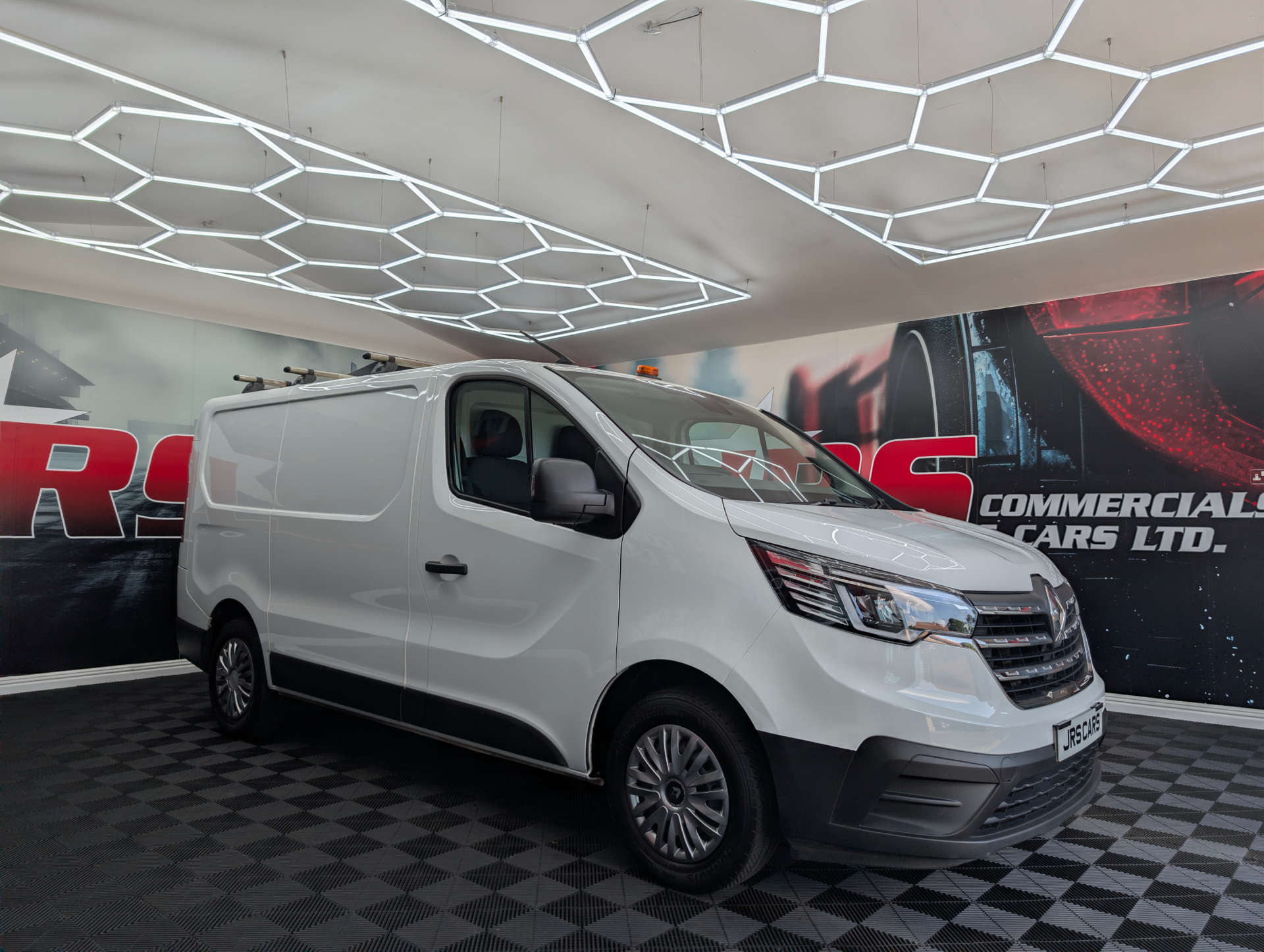
A tradesperson upgrades from a standard panel van to a larger converted service truck that looks similar but has a 4,200kg MAM. The same driver cannot safely rely on how light the truck feels or how little material it is carrying; the licence entitlement must match its classification.
The evidence to check
Check the manufacturer plate and vehicle documents, identify MAM and the relevant driving-licence categories, and take account of trailer combinations where used. Record any special exemption being relied upon and check that it applies to the exact vehicle and journey.
What cannot safely be assumed
An MAM figure should not be confused with payload or kerb weight. Exemptions exist for some special vehicles, but cannot be assumed merely because a vehicle is connected with farming or construction.
Why the issue deserves coverage
This issue crosses from licensing into the NI second-hand van market: a vehicle may be mechanically suitable for work but unsuitable for a buyer’s existing licence.
Licensing and safe loading are separate checks
An entitlement printed on a driving licence does not establish the weight of a particular vehicle or load. Maximum Authorised Mass is a plated legal figure, distinct from actual operating weight, and this can determine the category a driver needs before any goods are loaded. A fleet manager should therefore keep the relevant vehicle records and licence categories together, not merely note that an employee has many years of driving experience.
What commercial operators can document
Record vehicle identity, plated maximum mass, first-use date and the duties for which it is deployed. Check drivers’ endorsements and restrictions before allocation, especially when vehicles are substituted at short notice. Where relying on an exemption, record the exact vehicle type and journey circumstances supporting it. Insurance, roadworthiness, daily safety checks and driver hours may raise separate obligations which should not be inferred from the licence category alone.
Why online generalisations are risky
Large goods vehicle rules use defined weight and class boundaries. Descriptions such as “big van”, “farm truck” or “work vehicle” have no power to change the legal category. The DVA’s Northern Ireland guidance is a more reliable starting point than a brief social media answer written for another jurisdiction.
The plated mass is the reference point
Maximum authorised mass is a permitted limit rather than what the vehicle happens to weigh empty. Drivers should check the manufacturer plate, licence entitlement and vehicle configuration, including whether a conversion changes the relevant weight or category.
A Northern Ireland example
An apparently normal large van may have a plated maximum weight that puts it outside a driver’s ordinary category B entitlement. The important point is to pin down the relevant documentary evidence before relying on an advert, a quotation or an informal assurance. A dispute is easier to investigate where the chronology is clear and the evidence identifies this particular vehicle rather than merely the make and model.
Questions to resolve before proceeding
The immediate check on the plated mass is the reference point is a documentary one: Maximum authorised mass is a permitted limit rather than what the vehicle happens to weigh empty. Drivers should check the manufacturer plate, licence entitlement and vehicle configuration, including whether a conversion changes the relevant weight or category. An apparently normal large van may have a plated maximum weight that puts it outside a driver’s ordinary category B entitlement. In practical terms, write down what you have verified, what remains unresolved, the date of each response and which organisation supplied it. A vehicle may still need separate insurance, tax, identification or testing checks, depending on its circumstances. None of these steps should be treated as interchangeable.
Sources & further reading
www.nidirect.gov.ukNorthern Ireland Driving Guides
Continue with PureCar's guides to learner rules, driving tests, licences, penalties and Northern Ireland road law.