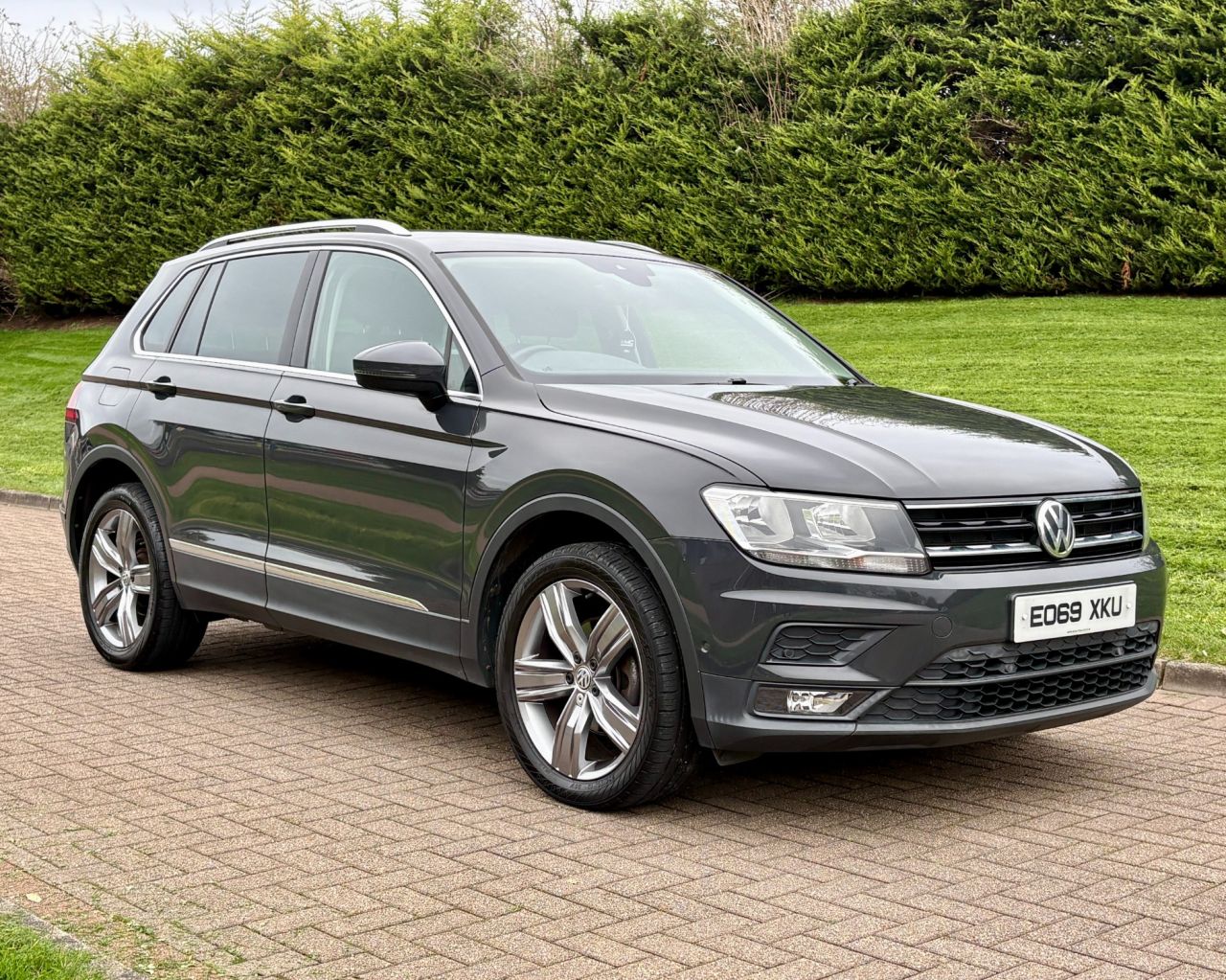
PSNI fleet audit reveals 240 vehicles took more than two years to enter service

An official examination of police fleet management found lengthy delays, shortages of mechanics and hundreds of vehicles unavailable for normal use, with modernisation still on the agenda in 2026.
Hundreds of vehicles bought for the Police Service of Northern Ireland spent years awaiting the work needed to enter operational service, according to an independent audit that exposes how shortages of skilled mechanics and lengthy commissioning arrangements have constrained fleet renewal. The Northern Ireland Audit Office found that 240 vehicles had taken more than two years to commission and around 20 had taken over four years. The figures relate to historical commissioning records examined in October 2024, not a newly measured waiting list in November 2026.
The evidence is striking because buying a vehicle is only the beginning of putting it on police duty. A standard car may require communications equipment, lights and identification. Specialist vehicles can need substantial modifications, while armoured vehicles must go through independent certification before they can be used. The audit found that the time from delivery to commissioning averaged around nine months across the records examined, with about a quarter taking more than a year.
Vehicles bought but not ready to work
The audit described a commissioned fleet of approximately 2,700 vehicles. It also recorded a further 350 vehicles in October 2024 that had been commissioned but were not yet operational. Reasons included vehicles retained in reserve for surge duties, armoured vehicles awaiting certification, cars undergoing work off-site and delays linked to unavailable components. These were not all ordinary patrol cars standing idle, and it would be wrong to treat them as identical to vehicles laid up for mechanical repairs.
At a Policing Board Resources Committee meeting in February 2024, officers had presented another snapshot: 233 vehicles waiting to be commissioned and 200 pending disposal. Members were told that availability in some geographical areas had fallen as low as 70%. The Audit Office later reported that fleet availability had at times been around 80%. Those numbers describe different dates and measures and should not be stitched together as a single current percentage.
A shortage measured in thousands of workshop hours
The audit identified 71.5 full-time equivalent staff in PSNI workshops against an operational requirement of 88. The service calculated that it needed about 67,000 workshop labour hours each year to support front-line policing but had only 39,000 available internally — a gap of 28,000 hours. External contractors provided about another 20,000 hours, but that did not fully close the difference. The audit found that contracting work out was substantially more expensive than completing it with internal staff.
Figures supplied to auditors put external contractor rates at around £70 to £150 per hour compared with approximately £40 internally. Those are reported unit-rate comparisons, not proof that every outsourced repair could be completed at the cheaper internal rate. Workshop recruitment, specialist skills, equipment and available space all affect whether work can realistically be brought in-house. The PSNI also said outside contractors were approaching capacity, leaving few quick options for increasing throughput.
The consequences showed up in repair times. The audit reported that average internal repair lead times had increased from 39 hours to 115 hours. The organisation estimated that carrying additional fleet vehicles to compensate for reduced availability cost around £500,000 annually. It also assessed that a more efficient fleet could potentially allow a reduction of roughly 15% in the number of vehicles, but said current repair pressures made such a cut operationally risky.
Old vehicles and the cost of keeping them moving
The wider fleet was ageing too. More than a quarter was over ten years old in the auditors’ examination, while the PSNI had spent almost £26 million acquiring vehicles since 2021–22. Between 2021–22 and 2023–24, nearly £11 million was spent on repairs and maintenance completed through internal workshops. The audit recorded an increased reliance on contractors as in-house labour hours declined. These figures illustrate how substantial investment in new vehicles can coexist with pressure to keep older vehicles roadworthy.
The issue carries particular weight for armoured vehicles. Their additional weight increases wear, specialist components are expensive, and their role in protecting officers limits opportunities to move ageing examples to less demanding duties. The Audit Office reported the PSNI’s estimate that an eight-year-old armoured car was four times as expensive to run and maintain as a three-year-old equivalent. This was an estimate supplied by the force, not a universal cost formula for every model.
What had changed by 2026?
The criticism did not go unanswered. Minutes of a May 2025 Policing Board committee meeting show officials discussing shortages of mechanics, recruitment and pay, and the availability of charging infrastructure. In its February 2026 accountability report, the PSNI described further commissioning activity, a fleet-service restructure and additional mechanic recruitment. It said improvements in fleet capacity and operating systems remained priorities for 2026. That is evidence of action being reported, although the document does not establish that the historical backlog or repair delays had been eliminated.
The most important next comparison is therefore a current operational one: how long new patrol and specialist vehicles now take to commission, how many workshop positions remain vacant, and what proportion of the fleet is available for deployment. Without those figures, a historic audit can identify the scale and causes of a problem but cannot prove that every finding still applies today. It can, however, set the benchmark against which the PSNI’s modernisation promises should be judged.
The story behind the fleet figures is less about the purchase price of an individual police car than the system required to make it useful. A vehicle bought but awaiting conversion cannot perform the task it was purchased for. A repair delayed through lack of staff can remove another from deployment. The official record shows how those pressures accumulated; the remaining public-interest question is how much they have genuinely improved.