Road-safety risk rises for over-70s in Northern Ireland, latest figures show
People aged over 70 recorded 57 killed-or-seriously-injured casualties per 100,000 population in 2025, 13% higher than in 2024.
The rate of people aged over 70 being killed or seriously injured on Northern Ireland roads increased in 2025, according to the latest official road-safety statistics.
DfI reports a rate of 57 killed-or-seriously-injured casualties per 100,000 people aged over 70.
That was 13% higher than the rate recorded in 2024 and 35% above the strategy baseline of 42.
This is a casualty measure — not a blame measure
The most important qualification is that the statistic describes casualties aged over 70. It does not say that older drivers caused all of those collisions.
An older casualty could be a driver, passenger, pedestrian, cyclist or other road user. Even where the casualty was driving, the headline rate does not establish fault.
Why population rates are useful
Raw numbers can be distorted by the size of an age group. A rate per 100,000 population makes it easier to compare changes over time while accounting for the number of people in the group.
It still does not account perfectly for exposure. Some people drive large mileages while others rarely travel by car, and travel patterns can change with age.
What can affect risk for older road users?
Road-safety risk is influenced by many factors, including road environment, speed, vehicle protection and the vulnerability of the person involved.
Age can also affect recovery from injury, meaning a collision of similar physical severity can produce more serious consequences for an older person.
That is different from claiming older people are automatically unsafe drivers.
Licensing and health are separate questions
Northern Ireland drivers must meet the legal and medical requirements applying to their licence. Certain medical conditions need to be declared, and licence renewal requirements can differ with age and circumstances.
But an age-based casualty statistic on its own is not evidence that a specific driver should stop driving.
What families should focus on
Where there are genuine concerns about an older relative’s driving, focus on observable issues such as eyesight, reaction to complex junctions, medication effects, unexplained vehicle damage or repeated near misses — not age alone.
Professional medical advice is more useful than assumptions based on a birthday.
The wider road-safety picture
The over-70 indicator is one of several measures in the Northern Ireland Road Safety Strategy. The same report recorded lower fatalities overall but higher serious injuries in 2025.
That mixed picture is why individual indicators are best treated as signals requiring attention rather than simplistic verdicts about entire groups of road users.
Vehicle choice can matter more with age
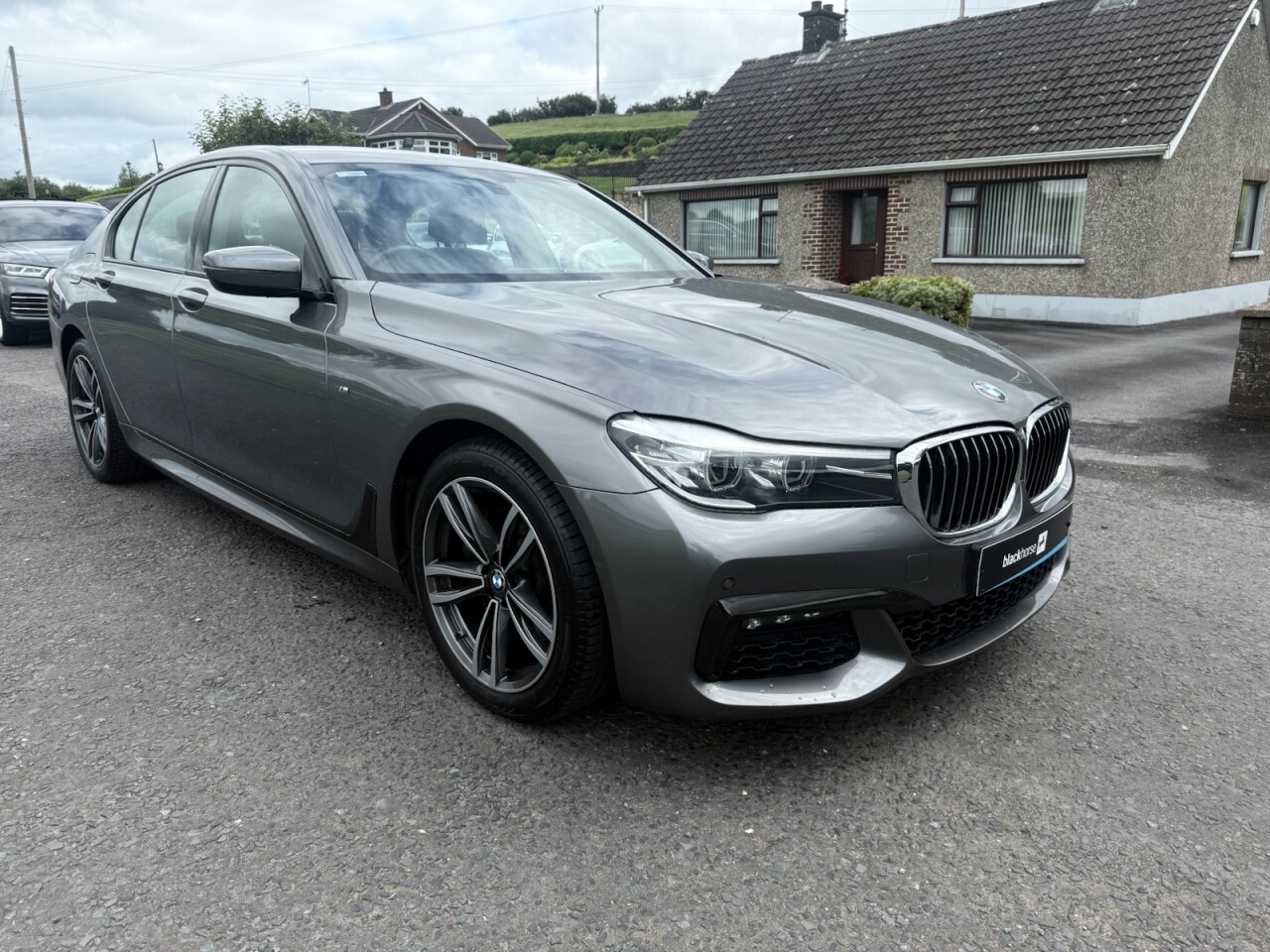
For older motorists and passengers, modern safety equipment can be particularly valuable. Autonomous emergency braking, blind-spot alerts, good headlights, parking sensors and a clear seating position can reduce workload or help avoid some types of collision. Those systems are aids rather than substitutes for attentive driving, but they can make a meaningful difference in everyday use.
Ease of entry and exit, visibility through the windows and simple controls can also matter more than outright performance when choosing a car for later life.
Avoid crude age cut-offs
The statistics support closer attention to older-road-user safety, but they do not justify treating every person over 70 as equally risky. Driving ability varies enormously within any age group. A fit, experienced 75-year-old may be safer than a much younger driver who is distracted, impaired or reckless. Decisions about an individual should be based on actual ability and relevant medical guidance, not a population average.
Source
Department for Infrastructure, Northern Ireland Road Safety Strategy to 2030 Annual Statistical Report 2025.