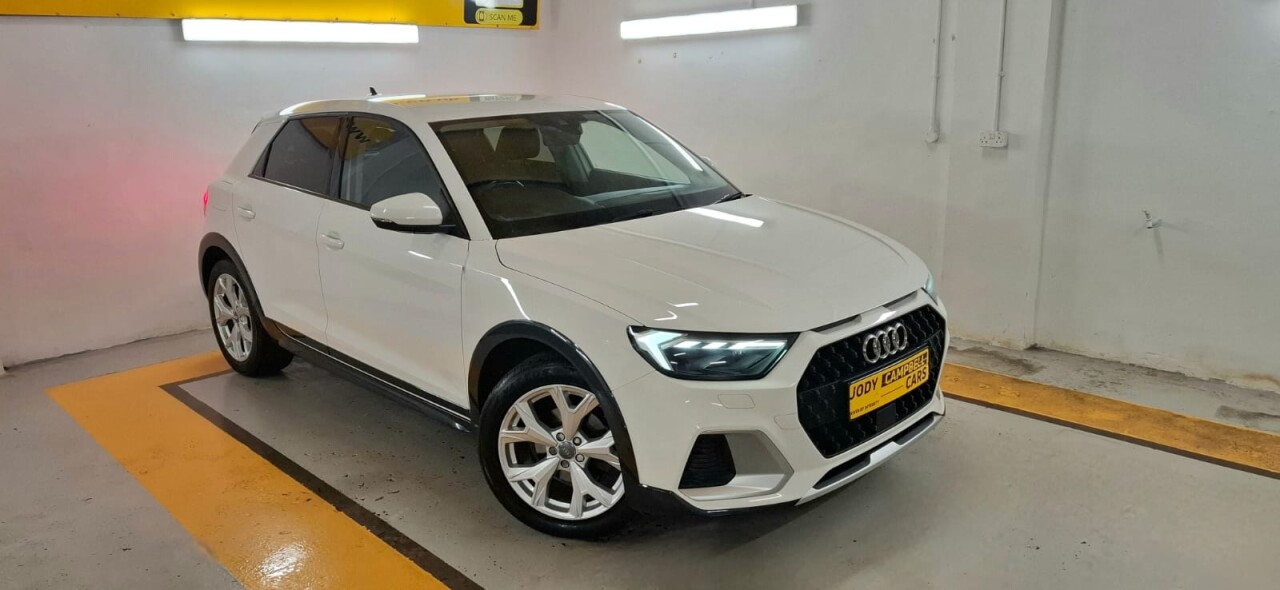
AUDI A1 2020
1.0 TFSI 30 CITYCARVER 5DR PETROL S TRONIC EURO 6 (S/S) (116 PS)
£13,249
Coleraine
Driving at the speed limit is not always safe, and driving far below it without reason can also create problems. Your speed and road position should match visibility, hazards, road width and traffic conditions.
The examiner is looking for safe progress and control throughout the drive, so speed and position influence almost every situation.
Use these as practice priorities rather than a rigid scripted routine.
Treat the speed limit as a maximum, not a target.
Reduce speed when visibility or available space is limited.
Use a stable road position and avoid drifting toward parked cars, the kerb or centre line.
After a hazard, return to an appropriate speed when conditions allow rather than remaining unnecessarily slow.
These are practical weaknesses worth fixing before test day. The exact fault grade always depends on the circumstances and severity.
Maintaining the limit when the road conditions clearly require less speed.
Driving significantly below a safe appropriate speed and holding up traffic.
Positioning too close to parked vehicles or the centre line.
Changing position abruptly instead of planning around hazards.
Build adaptability instead of repeating one memorised road or reference point.
How to choose a safe legal speed and stable road position during the NI practical driving test.
The examiner is looking for safe progress and control throughout the drive, so speed and position influence almost every situation.